Grinding or clenching your teeth can gradually wear down enamel, damage restorations, and leave your jaw feeling sore or tired. A custom night guard can help protect your teeth from these repeated forces while you sleep.
At Leslie North Dental, we provide custom night guards in Newmarket for patients who grind or clench their teeth. Your treatment starts with a dental assessment so we can check your teeth and gums for signs of bruxism before recommending the right type of guard for you.
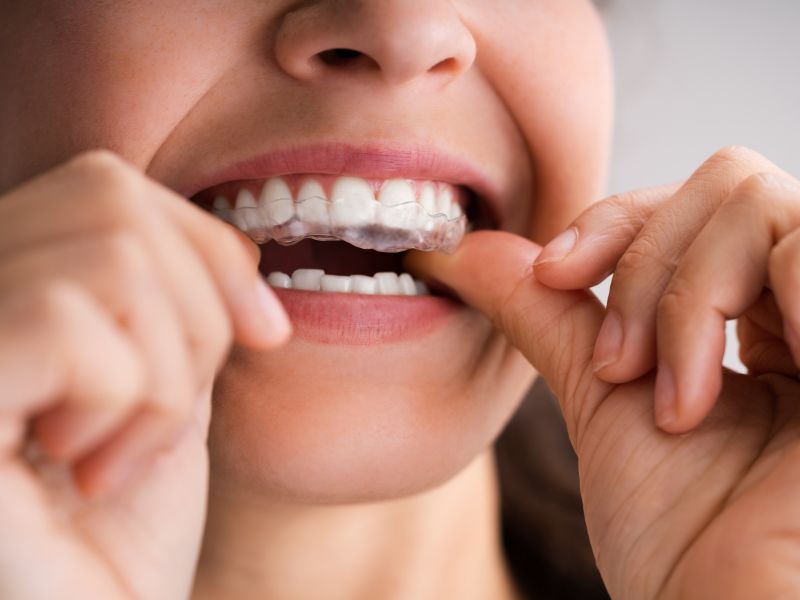
A dental night guard is a removable appliance worn while sleeping to create a protective barrier between the upper and lower teeth.
Night guards are commonly recommended for people with bruxism, which refers to involuntary teeth grinding or clenching.
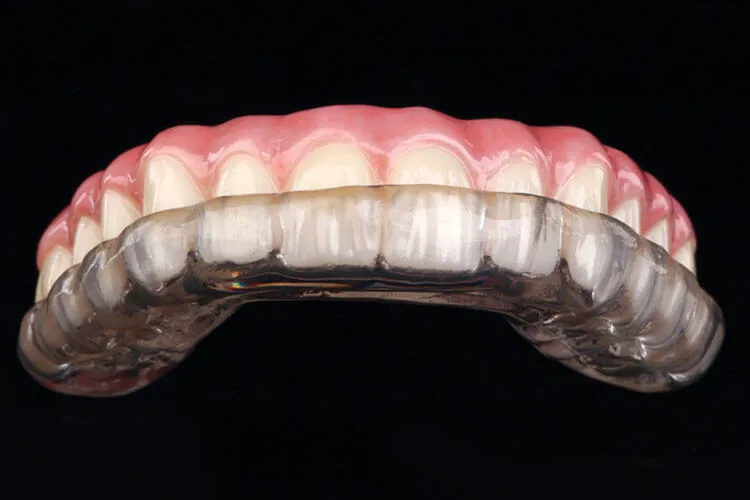
A night guard does not necessarily stop grinding or clenching. Its main purpose is to protect your teeth from the damage that repeated pressure can cause.
Some people are unaware that they grind their teeth because it happens while they sleep. In other cases, the signs become noticeable over time.
You may benefit from a dental assessment if you notice:
These symptoms can have different causes, so they do not automatically mean you need a night guard. An examination can help determine whether grinding or clenching is contributing to the problem.
If you grind or clench your teeth, a custom night guard may help protect your enamel, restorations, and teeth from further wear.
Book an assessment at Leslie North Dental in Newmarket to find out whether a custom night guard is right for you.
Bruxism is the habit of grinding or clenching the teeth. It can occur during sleep or while you are awake.
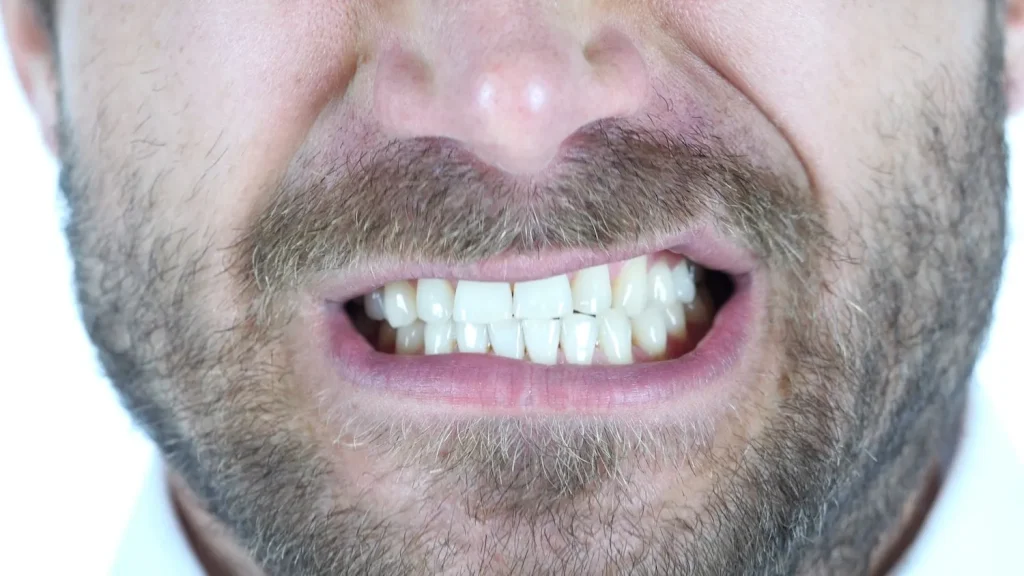
Sleep bruxism happens while sleeping and may be difficult to notice without signs such as worn teeth, morning jaw tension, or grinding sounds.
Awake bruxism usually involves clenching or holding the teeth together during the day, sometimes during periods of concentration or stress.
Repeated grinding and clenching can place extra pressure on the teeth and jaw muscles and may contribute to enamel wear, tooth sensitivity, cracks, or damage to dental restorations.
A custom night guard is designed to fit over your teeth and reduce direct contact between the upper and lower dental arches.
Protect enamel from further wear
Reduce tooth-to-tooth grinding contact
Lower the risk of chips and cracks caused by repeated pressure
Protect crowns, fillings, and other restorations
Provide a stable, customized fit based on your bite
Because every patient's bite and grinding pattern is different, the type and design of the appliance should be selected after a dental assessment.
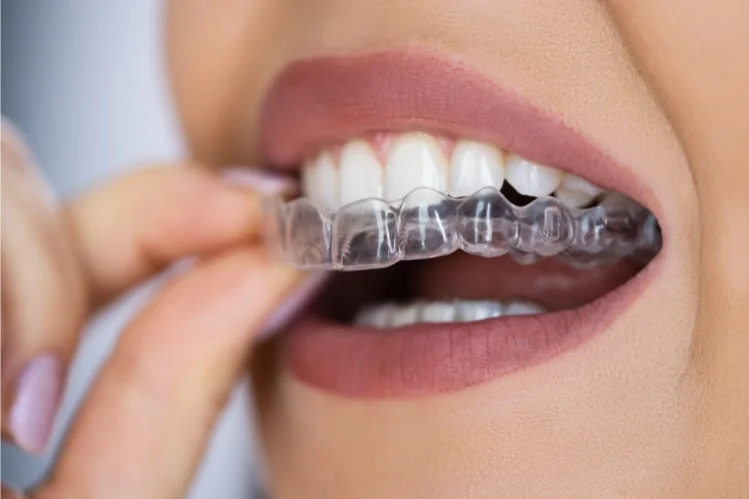
The cost of a custom dental night guard can vary depending on the type of appliance, material, bite requirements, and your insurance coverage.
Dental insurance coverage also varies by plan. Our team can help you review your available benefits and offers direct insurance billing for eligible patients.
If the current clinic range applies to your treatment, custom night guards at Leslie North Dental may fall within this approximate range. A dental assessment is needed before confirming the exact cost.
FAQs
Not necessarily. A night guard is mainly designed to protect your teeth from the effects of grinding and clenching. Bruxism itself may have different contributing factors that require separate evaluation.
Common signs include worn teeth, chipped enamel, tooth sensitivity, morning jaw soreness, headaches, and evidence of grinding. A dental examination is needed to determine whether a night guard is appropriate.
Custom guards are made specifically for your teeth and allow the dentist to assess the fit and bite. Store-bought guards are generic or self-fitted. The right option depends on your individual needs.
The lifespan varies depending on how strongly you grind, the material of the appliance, how well it is maintained, and whether your bite changes over time.
In many cases, yes. However, your dentist should first examine your restorations and bite so the appliance can be designed appropriately.
If jaw discomfort is related to grinding or clenching, protecting the teeth may be part of the management plan. Persistent joint pain, clicking, locking, or restricted movement should be assessed separately.
Some dental plans provide coverage for custom night guards, while others do not. Coverage depends on your individual insurance plan.