
Call Us
Speak directly with our team to ask a question or schedule your dental
visit.
(647) 797-8404
A Proper Solution for Chips, Gaps and Uneven Teeth
Leslie North Dental offers dental bonding in Newmarket that works well for minor chips, small gaps, uneven or misshapen teeth, and localized discoloration. It doesn’t require removing much natural tooth structure and can be done in a single visit.
Not sure if your tooth qualifies? A quick look from one of our dentists will tell you.
Treatment Duration
Usually 1 session
Covered by most insurances
Partially covered
Session Length
About 30– 60 min
Recovery Time
Immediate return to normal activities
Discomfort Level
Minimal
Cost per Treatment
Around $100 – $400
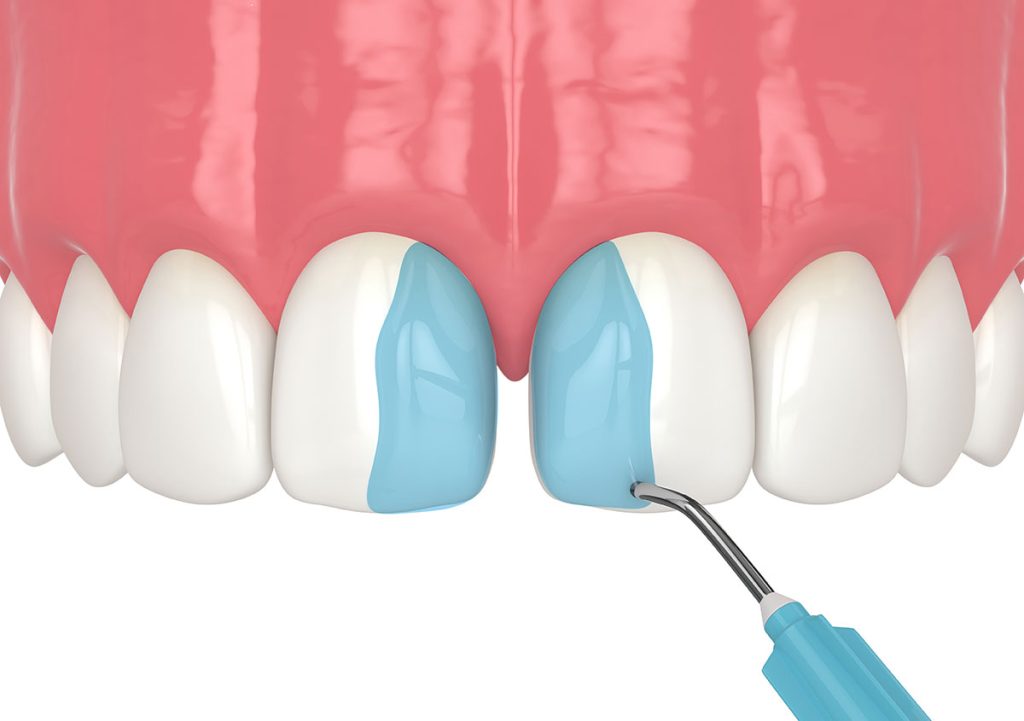
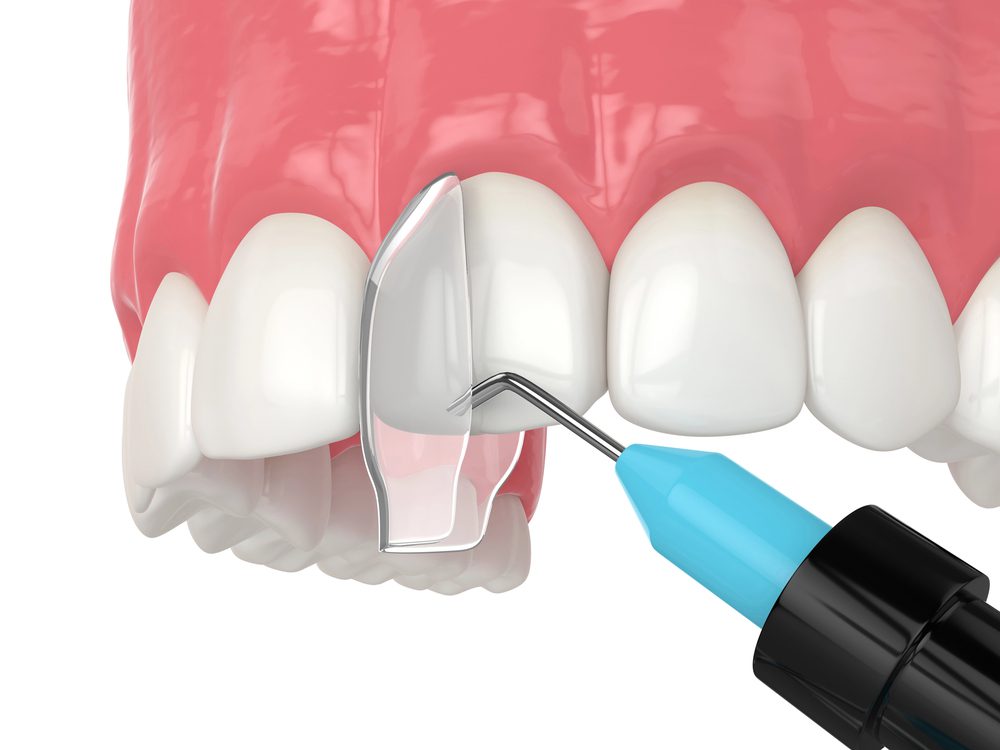
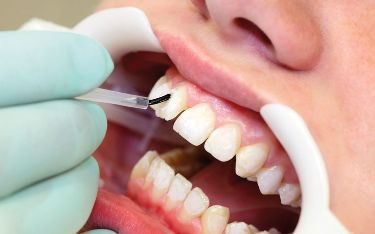
If you have never heard of bonding before, think of it as cosmetic sculpting for teeth. In dental bonding, we use a tooth-coloured composite resin material that is shaped and polished directly onto the tooth surface. Once we reach the ideal shape, a special UV curing light hardens the resin, all in less than an hour per tooth!
If you don’t have major structural dental issues, bonding can be the best solution. Here's a quick look at what it handles, and when something else fits better.
Our dentist builds up the missing edge with resin to complete the tooth's look. Painful or extensive fractures need a closer exam and may call for a crown or other restoration.
Composite resin can rebuild the missing edge and restore the natural shape of the tooth.
For gaps, our dentist adds composite to the sides of the teeth bordering the space. This works best on smaller, cosmetic-only gaps. Wider spaces usually respond better to orthodontics.
Composite can be added to the sides of neighbouring teeth to reduce a small cosmetic gap.
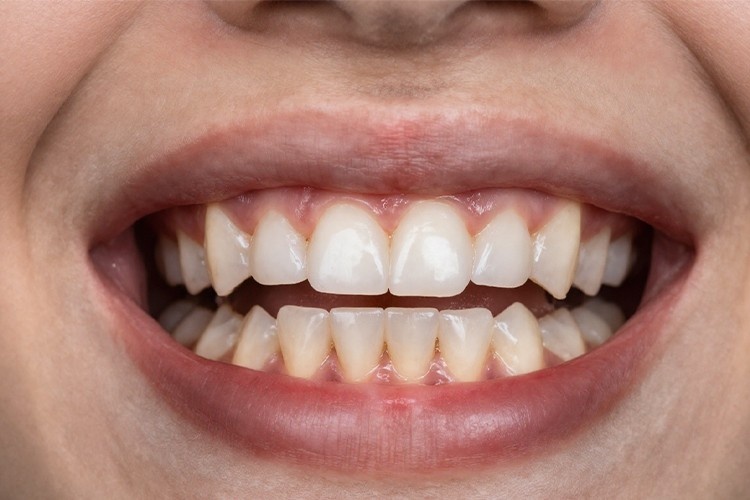
Some teeth are naturally shorter or a bit uneven along the edge. Bonding lets the dentist smooth irregular edges and even out small differences in shape or length.
Composite can add length or reshape an uneven edge to create a more balanced tooth line.
We can cover the tooth that has stubborn stains with matching composite, as these types of stains don’t usually respond to whitening methods.
Tooth-coloured composite can cover a localized stain and blend the area with the surrounding teeth.
Dental bonding is popular because it improves your smile without complicated procedures or long recovery times. The outstanding benefits mentioned below are the reasons why patients love this treatment:
This comparison keeps your original message but makes the decision easier to scan.
| Concern | Dental Bonding | Alternative When Needed |
|---|---|---|
| Minor chip | Often suitable | Crown or other restoration for extensive damage |
| Small cosmetic gap | Often suitable | Orthodontics for wider spaces |
| Uneven or worn edge | Can reshape and even out small differences | Other cosmetic/restorative options for larger changes |
| Localized discoloration | Matching composite can cover the stained area | Whitening or veneer depending on the cause and extent |
| Large fracture / deep crack | Usually not the best fit | Crown or another restoration after assessment |
Bonding is quick, but a few careful steps keep it looking natural and lasting well.
Checking your tooth structure, gum health, signs of decay or grinding, along with the size and location of your specific concern.
Picking a resin colour that blends with your surrounding teeth. If you’re considering whitening, it’s best done first, since the resin’s colour won’t shift afterward.
Preparing the tooth and applying a bonding agent to help the composite adhere. Bonding mostly doesn’t require enamel removal and tooth reshaping.
Applying the composite in thin layers and shaping it by hand to restore the tooth’s natural contour and proportions.
Using a special light to harden each layer as it’s applied, followed by required adjustments and polishing.
A single tooth often takes about 45 to 90 minutes; multiple teeth and complicated repairs take longer. We often finish the procedure in one visit, but that isn’t guaranteed for every case.
There’s no single fixed price for dental bonding cost in Newmarket, and it depends on:
The most reliable way to know your dental bonding cost per tooth is an exam; from there, we’ll put together an estimate.
Generally, yes. We estimate the cost of bonding tooth by tooth based on the extent of work each one needs.
Bonding used to restore a damaged or decayed tooth may be covered in many cases. Purely cosmetic bonding may not be covered.
If you want dental care that looks real and feels comfortable, you’re in the right place. We explain your options clearly with no pressure, putting your comfort and long-term dental health first.
If small imperfections are holding you back from smiling freely, dental bonding may be the simple solution you’ve been looking for. Whether it’s repairing a chipped tooth, fixing a gap, or improving tooth color, bonding can make a real difference, quickly and naturally.
Book your dental bonding consultation at Leslie North Dental today, and let’s create a smile you’ll feel comfortable sharing.
Speak directly with our team to ask a question or schedule your dental
visit.
(647) 797-8404
17120 Leslie St #6
Newmarket, ON L3Y 8K7
Request your appointment online and our team will contact you to confirm availability.
Book AppointmentWith the right care, bonding can look great for many years. Here are some practices to help your bonded teeth last longer:
Most bonding lasts between 4 and 10 years, depending on where it is placed and your daily habits.
Yes, composite resin can stain over time, especially from coffee, tea, smoking, or red wine. However, good care and regular polishing can maintain its appearance.
In most cases, yes. Dental bonding usually requires little to no removal of natural tooth structure, which means the procedure is considered reversible. If you decide to change or upgrade your treatment in the future, the bonding material can typically be removed without harming your natural teeth.
For small to moderate gaps, yes. Bonding can often close spaces quickly without orthodontic treatment.
Usually, no. Bonding is minimally invasive and often does not require freezing unless the tooth has decay or damage.
Mostly not. For dental bonding, there’s usually no need to remove or reshape your tooth, like there is for veneers or crowns.
Our dentists can do about 6 to 8 front teeth in a single visit if the work is simple. It generally depends on how much shaping and colour matching each tooth needs.
Yes, if it’s a minor chip. That said, if you have pain or the tooth has structural damage, you need a closer evaluation first.