Healthy gums are essential for keeping your teeth strong and supported. If plaque and tartar have built up below the gumline, a routine dental cleaning may not be enough.
At Leslie North Dental, we provide deep cleaning and scaling and root planing in Newmarket for patients who show signs of gum disease or deeper periodontal pockets. Your treatment begins with an evaluation of your gums so we can determine the level of care that is appropriate for you.

Treatment Duration
1 session in most cases
Covered by most insurances
Yes
Session Length
30 min- 1:15 min
Pain Level
Minimal
Cost per Treatment
$150-$400 depend on units

Deep cleaning, also known as scaling and root planing, is a non-surgical periodontal treatment used to remove plaque and hardened tartar from areas below the gumline.
The treatment generally involves two parts:
Scaling removes plaque and calculus from the surfaces of the teeth and from beneath the gumline.
Root planing cleans and smooths affected tooth root surfaces, helping create a healthier environment for the gums to heal.
Unlike routine dental cleaning, which focuses mainly on preventive care, deep cleaning is typically recommended when there are signs of periodontal disease or deeper gum pockets.
Signs that may indicate a periodontal problem include:
These symptoms do not automatically mean you need deep cleaning. A dental examination and periodontal evaluation are necessary to determine whether routine hygiene care or periodontal treatment is more appropriate.
Concerned about bleeding or receding gums? Book a gum health assessment at Leslie North Dental.Your treatment plan depends on how many areas of the mouth are affected and the extent of the periodontal condition.
The gums and periodontal pockets are examined to identify the areas that require treatment.
Local anesthetic may be used to keep you comfortable while deeper areas around the teeth and roots are treated.
Plaque, tartar and bacterial deposits are carefully removed from the teeth and from areas beneath the gumline.
Affected root surfaces are cleaned and smoothed to help reduce areas where deposits can accumulate and to support the healing of the surrounding gums.
Depending on the extent of treatment required, scaling and root planing may be completed in one appointment or divided over multiple visits.
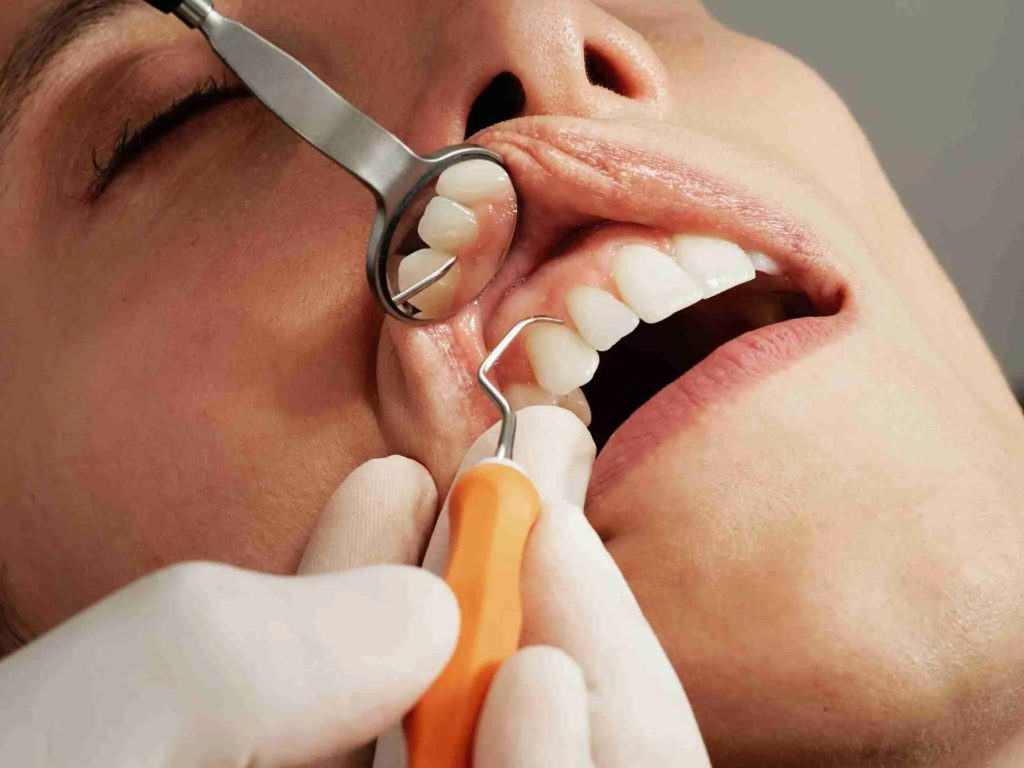
Deep cleaning and routine dental cleaning serve different purposes.
| Regular Dental Cleaning | Deep Cleaning |
|---|---|
| Primarily preventive care | Treatment for periodontal problems |
| Focuses mainly around and above the gumline | Cleans below the gumline |
| Appropriate for generally healthy gums | Used when deeper periodontal pockets or gum disease are present |
| Often includes routine scaling and polishing | Includes scaling and root planing |
| Part of regular preventive maintenance | May require periodontal follow-up |
Missing a regular cleaning does not automatically mean you need deep cleaning. The appropriate treatment is determined by the health of your gums.
It is normal to experience some temporary changes following scaling and root planing.
You may notice:
As inflammation improves, your gums can begin healing around the teeth.
If needed, we will provide instructions for brushing, flossing, and cleaning between the teeth to help maintain your periodontal health after treatment.
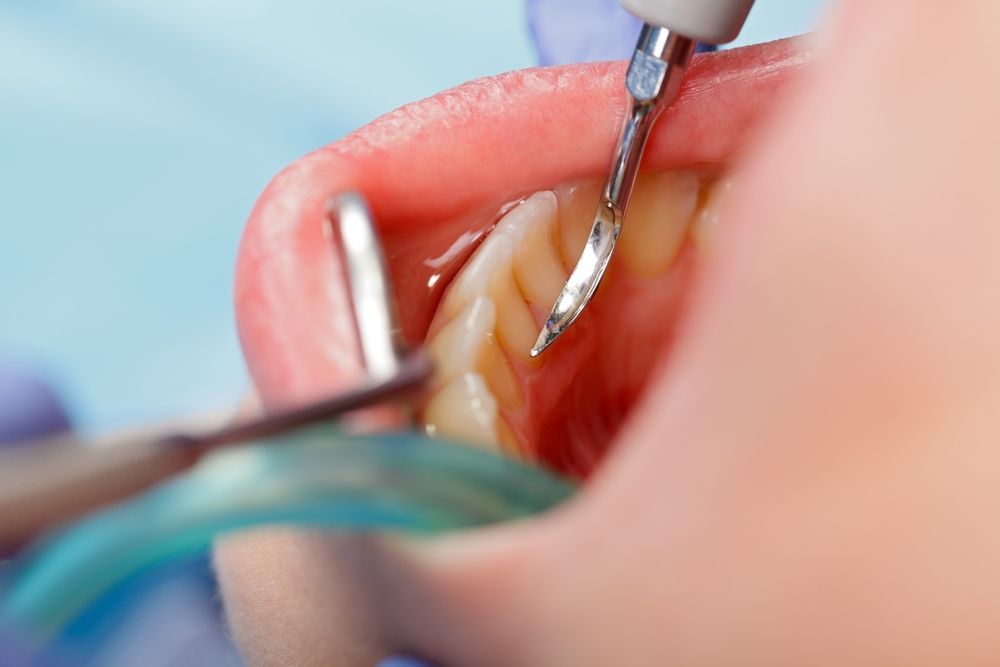
At Leslie North Dental, periodontal care starts with understanding the condition of your gums rather than recommending the same treatment for every patient.
Our team provides personalized gum assessments and treatment planning based on your periodontal needs.
Our goal is to help you understand your gum health, your treatment options and the steps you can take to maintain healthier gums long term.
FAQs
A periodontal evaluation is needed to determine whether deep cleaning is appropriate. Your dentist or dental hygienist may assess gum bleeding, periodontal pocket depth, gum recession and tartar buildup below the gumline.
A deep cleaning treatment consists of scaling and root planing.
Scaling is the process of removing plaque and tartar from the surface of the tooth and its surrounding pockets. Root planning treats the root of the tooth and allows it to reattach to the gum tissue to reduce pocketing.
A deep cleaning treatment may involve two visits to the dentist; first, to perform the deep cleaning procedure and second to follow-up and validate the gum and teeth’ reattachment.
After a deep cleaning treatment, your teeth and gums will not have bacteria or deep pockets. Ideally, a consistent hygienic routine will continue to improve the health of your gums and teeth at home.
If deep cleaning and three-month visits to the dentist do not reverse periodontal disease, speak to your dentist for more personalized treatment.
Deep cleaning commonly refers to scaling and root planing. The treatment removes plaque and tartar from below the gumline and cleans affected tooth root surfaces when periodontal problems are present.
Local anesthetic may be used during scaling and root planing to improve comfort. Some temporary tenderness or tooth sensitivity may occur after treatment.
This depends on how many areas require treatment and the extent of periodontal involvement. Some cases can be treated in one visit, while others may be divided into multiple appointments.
Regular dental cleaning is primarily preventive and focuses on maintaining generally healthy gums. Deep cleaning extends below the gumline and is used to treat periodontal problems such as deeper gum pockets and tartar buildup around the tooth roots.
Many dental insurance plans may provide coverage for eligible periodontal services, but coverage depends on your specific plan. Our team can help you understand your available benefits.
Periodontal disease can recur or progress over time. Good home care, regular dental visits and periodontal maintenance when recommended can help support long-term gum health.