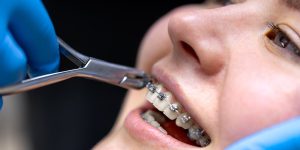
Traditional brackets and wires are not the only solution for teeth misalignments. Newer methods are less noticeable and more convenient, making them more popular among patients.
In this blog, we’ll explore alternatives to braces, compare them, and discuss key factors that help you choose the most suitable option.
3 Common Alternatives for Traditional Braces
Consult with your orthodontist to find out whether it’s possible to choose these methods over traditional braces:
1. Clear Aligners (Invisalign)
Clear aligners, typically Invisalign, are among the most popular alternatives to braces. This treatment involves a series of custom-made, transparent trays that will gradually move teeth into correct alignment. In other words, you can improve the appearance of your smile without the brackets and wires used in traditional braces.
These aligners are removable and almost invisible. Therefore, many adults and teenagers prefer them because of their convenience and discreet appearance. However, your orthodontist must confirm that clear aligners can solve your issue. Otherwise, traditional braces may be a more suitable option for your specific case.

Read more: “5 Key Benefits of Choosing Invisalign Over Metal Braces for Your Smile Transformation in Newmarket”
2. Ceramic Braces
Ceramic braces are similar to traditional braces, but use tooth-colored or clear brackets. As a result, they blend more naturally with your teeth and are less noticeable. This means that ceramic braces can effectively align your teeth while maintaining a natural appearance.
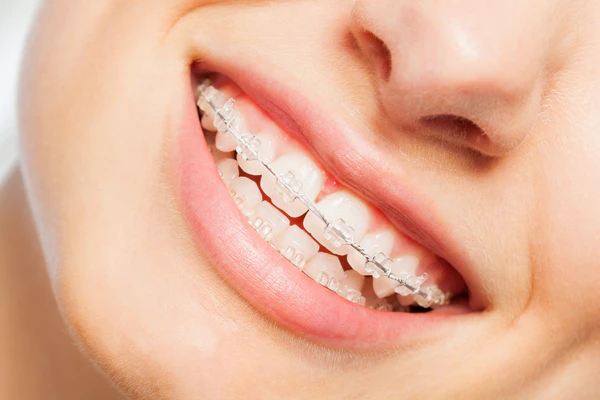
Like traditional braces, ceramic braces are fixed to the teeth, so they can treat more complex alignment and bite issues. Therefore, they can be an alternative to clear aligners in many cases. It’s important to note that compared to traditional braces, they need extra care to prevent staining. Moreover, they’re more fragile and prone to breaking.
3. Lingual Braces
These braces are similar to traditional metal braces, with one significant difference: they’re attached to the back of your teeth, instead of the front. This is why they’re virtually invisible when you smile, while gradually moving your teeth into the correct position.
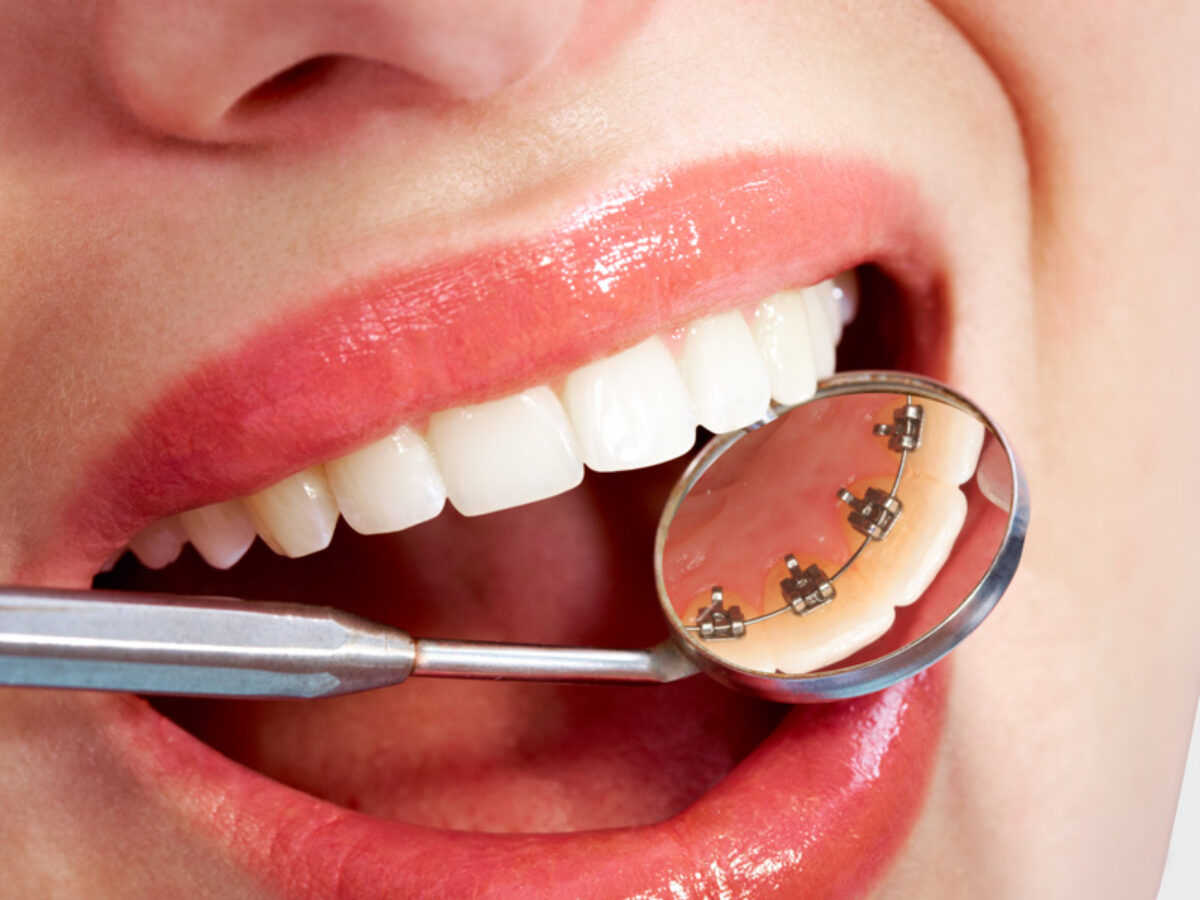
Because they’re hidden, lingual braces are a popular option for patients who want a discreet orthodontic treatment, but are not suitable candidates for Invisalign. The downside is that at the beginning, these braces may affect speech or cause tongue irritation.
Curious Which Cosmetic Dental Procedure Is Right for You?
Whether you’re considering teeth whitening, veneers, or a full smile enhancement, at Leslie North Dental, we’re ready to guide you every step of the way.
Book your consultation today and take the first step toward a confident smile.
Comparing 3 Alternatives to Braces
Alternatives to braces come with unique advantages and disadvantages. The table below compares them to help you understand the pros and cons of each option:
| Method | Appearance | Removability | Best For | Pros | Cons |
| Clear Aligners (Invisalign) | Nearly invisible | Removable | Mild to moderate alignment issues | Discreet, comfortable, easy cleaning, fewer food restrictions | Requires discipline to wear consistently, not ideal for complex cases |
| Ceramic Braces | Tooth-colored brackets, less noticeable than metal braces | Fixed | Mild to complex orthodontic issues | Effective like metal braces but more aesthetic | Can stain, slightly more fragile, harder to clean |
| Lingual Braces | Completely hidden behind teeth | Fixed | Moderate to complex alignment cases | Invisible from the outside, strong corrective power | Can affect speech initially, harder to clean, less comfortable at first |
Retainers Can Handle Minor Tooth Movement
For minor misalignments, retainers can sometimes be used instead of aligners. Additionally, orthodontists prescribe them for maintaining tooth position after finishing treatment, whether with traditional braces or alternatives.
Although they’re not effective for serious misalignments, they can address slight shifts. They’re also helpful for closing small gaps or making minimal alignment improvements.
As for limitations, they can’t help with moderate or severe misalignments. Furthermore, you can’t rely on them for correcting bite issues and significant crowding. If you do so, this may lead to poor results or delay proper treatment.
Choose the Ideal Option Considering These Factors
Above all, you should follow your orthodontist’s advice. But besides that, considering these factors helps you determine the best option for your case:
- Severity of the case: More severe issues need fixed solutions and can’t be addressed with clear aligners.
- Bite issues: Removable treatments don’t work well for bite problems. Instead, you need stronger, more controlled methods like traditional metal braces or at least ceramic braces.
- Your lifestyle: If you prioritize flexibility and low-visibility, clear aligners are generally the best option. On the other hand, if you find managing daily removal and adhering to wear time difficult, go for fixed solutions.
- Treatment goals: Invisalign or retainers are enough for small cosmetic adjustments, while full alignment and bite correction typically require comprehensive orthodontic treatment.
- Commitment to treatment: Consistency is the key to optimal results with clear aligners. If you can’t commit to wearing them as prescribed, it’s best to use fixed solutions.
- Budget: The cost of each method varies widely. Usually, clear aligners and lingual braces are more expensive, while traditional braces are considered the most affordable solution.
Read more: “What to Expect from the Invisalign Cost in Newmarket?”
Alternatives to Braces That Simplify Your Path to Straighter Teeth
Invisalign, ceramic braces, and lingual braces are the most common alternatives to braces, which we discussed in this blog. As mentioned, you can also use retainers for slight misalignment issues. But for more complex cases, treatment typically involves traditional metal braces or one of these alternatives.
We emphasize that consulting an orthodontist is essential for determining the best treatment for your case. If you’re in Newmarket and looking for professional orthodontic care, our team at Leslie North Dental is ready to offer you high-quality services. Contact us now to schedule a visit and consultation.
FAQ
Are clear aligners as effective as braces?
Clear aligners are effective for many mild to moderate alignment issues, including crowding and spacing. However, they may not handle severe bite problems or complex tooth movements as reliably as fixed braces. In more complicated cases, traditional or ceramic braces usually deliver more predictable results.
Can adults straighten their teeth without traditional braces?
Yes, adults have several options beyond traditional braces, including clear aligners, ceramic braces, and lingual braces. These methods can effectively straighten teeth while offering more discreet treatment options. The best choice depends on the severity of the case and individual treatment goals.
How long do clear aligners take to work?
Clear aligner treatment typically takes between 6 and 18 months, depending on the complexity of the case. Minor adjustments may take only a few months, while more involved cases take longer. Consistent wear, usually 20 to 22 hours per day, is essential for staying on track.
Are lingual braces better than clear aligners?
Lingual braces are often better for complex orthodontic cases because they provide continuous, precise control over tooth movement. Clear aligners are more comfortable and easier to manage, but are better suited for mild to moderate issues. The right option depends on treatment complexity, comfort preference, and lifestyle.
Have you considered straightening your teeth with options like clear aligners, ceramic braces, or lingual braces? Share your thoughts or experience in the comments below.