Fixing misaligned teeth no longer relies solely on metal brackets. A relatively new treatment uses invisible, removable aligners that are perfect for adults who don’t want to affect their appearance.
This blog compares Invisalign vs. traditional braces. We’ll break down all the differences between these two methods and help you understand which option suits your needs.
Invisalign and Traditional Braces Explained
This section explains two primary orthodontic treatments, before comparing Invisalign vs. traditional braces.
Invisalign
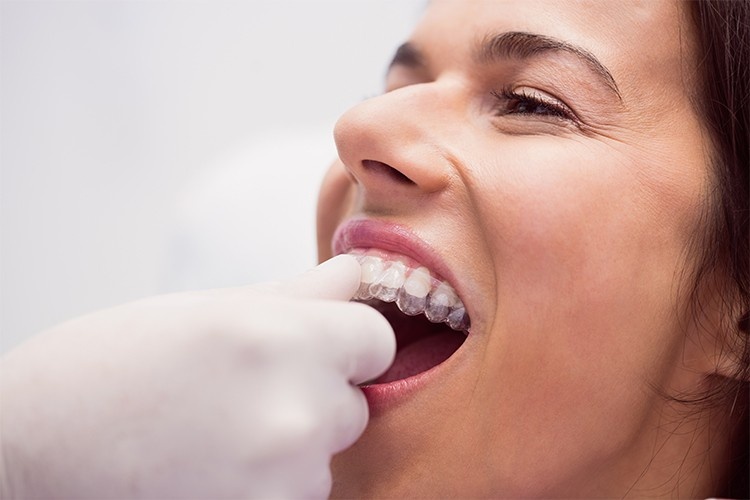
This modern treatment aims to move teeth into proper alignment over a predetermined period. It uses a series of clear, removable plastic aligners. As a result, using it is easier than traditional braces. Many patients prefer Invisalign over the conventional method. However, in some cases, traditional braces can deliver better results.
Traditional Braces
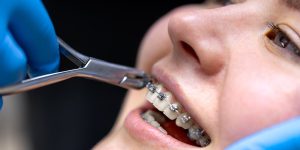
Traditional braces use metal brackets that orthodontists have prescribed for decades. This old-fashioned system applies continuous pressure to teeth in order to move them into proper alignment.
As mentioned earlier, traditional braces remain the preferred choice in some situations, such as severe alignment or bite issues. It’s also worth noting that this method offers more precision control than Invisalign.
Let’s continue this article with a detailed comparison of Invisalign vs. traditional braces.
Read more: “5 Compelling Reasons to Get Orthodontic Treatment”
Invisalign vs Traditional Braces: A Comprehensive Comparison
Here’s a side-by-side comparison of the two treatments our orthodontists offer:
| Factor | Invisalign | Traditional Braces |
| 1. Appearance | Clear, nearly invisible trays. Discreet and popular among adults and teens concerned about aesthetics. | Visible metal brackets and wires. Less discreet, though ceramic options are available. |
| 2. Comfort | Smooth plastic trays with no metal parts. May cause mild pressure when switching aligners. | Brackets and wires may irritate cheeks and lips. Tightening appointments can cause temporary soreness. |
| 3. Treatment Time | Often, 18 to 24 months, especially for moderate to complex cases. Can sometimes be faster for severe corrections. | Often 18 to 24 months, especially for moderate to complex cases. Can sometimes be faster for severe corrections. |
| 4. Oral Hygiene | Removable, making brushing and flossing easier. Lower risk of plaque buildup with proper oral hygiene. | More difficult to clean around brackets and wires. Higher risk of plaque buildup without proper care. |
| 5. Food Restrictions | No major restrictions. Aligners are removed while eating. | Certain foods (hard, sticky, chewy) must be avoided to prevent damage. |
| 6. Compliance Requirements | Must be worn 20 to 22 hours per day to be effective. Requires strong patient discipline. | Fixed to teeth, so there’s no need to remember to wear them. |
| 7. Effectiveness for Severe Cases | Best suited for mild to moderate alignment issues. Complex bite problems may require attachments or may not be ideal candidates for them. | Highly effective for severe and complex orthodontic cases. Offers greater control over tooth movement. |
Now you can see why many patients choose Invisalign.
Which One is More Cost-Effective?
Traditional braces are often more cost-effective than Invisalign. Clear aligners cost between $6,000 and $9,000. This means the newer method is more expensive despite its advantages.
Although upfront expenses are critical, your orthodontist recommends the best option based on the severity of your case. Your ability to follow treatment instructions also plays a key role.
Start Your Orthodontic Consultation Today
Whether you need preventive care, restorative treatment, or advanced dental services, our team is here to help you maintain a healthy smile. Call today to schedule your visit and address dental concerns before they become more serious.
Read more: “How to Choose the Best Dental Insurance in Toronto? (Full Guide)”
Which Option Is Better for Adults and Teens?
In general, adults care more about aesthetics for understandable reasons. On the other hand, teenagers may prioritize long-term results over appearance during treatment. This is the last section of the Invisalign vs. traditional braces comparison.
- Adults: Clear aligners are discreet and removable. This helps maintain a professional appearance and normal eating habits. Adults are generally more likely to follow treatment instructions and wear trays 20 to 22 hours per day.
- Teenagers: Traditional braces are often recommended when patients need severe correction or when compliance with treatment is in doubt. Metal brackets are fixed and can address complex bite issues and significant misalignment.

Invisalign vs Traditional Braces: Discover What Works for You
The comparison of Invisalign vs. traditional braces shows that clear aligners are often preferred, offering noticeable advantages. However, traditional braces are still prescribed, as they are highly effective for moderate misalignments and bite issues. Remember, it’s best to follow your orthodontist’s recommendation rather than choosing a treatment based solely on preference.
If you’re in Newmarket, our experienced orthodontists at Leslite North Dental can help you restore the beauty of your smile. Moving teeth into proper alignment can significantly improve your appearance, and our team is ready to offer this service. Contact us to schedule a visit.
FAQ
Is Invisalign as effective as traditional braces?
Invisalign is highly effective for mild to moderate alignment issues. However, traditional braces are generally more effective for severe crowding, complex bite problems, or major tooth movements because they provide greater control over tooth positioning.
Is Invisalign more expensive than braces?
In many cases, Invisalign costs slightly more, typically ranging from $6,000–$9,000 depending on complexity. Traditional braces often fall within a similar range but can be slightly lower, especially for standard metal braces.
Which treatment works faster?
For mild cases, Invisalign may take about 12–18 months, which can be comparable to or slightly faster than braces. For more complex cases, braces may achieve results more efficiently due to continuous force and precise adjustments.
Does Invisalign hurt less than braces?
Many patients report that Invisalign feels more comfortable because there are no metal brackets or wires that irritate the cheeks and lips. Both treatments can cause pressure or soreness during adjustments, but braces tend to cause more soft tissue irritation.
Have you chosen between Invisalign and traditional braces? Share your experience in the comments and let others know what helped you decide.