
Pain and discomfort after filling a tooth are normal. However, the continuous ache signals further unnoticed problems. You may be wondering why my tooth filling hurts after months. There are several possible reasons for this.
In this blog, we’ll examine the possible reasons for prolonged pain after tooth filling surgery and different ways to address them. If you’re dealing with the same problem, read on for clarity.
Common Causes of Tooth Filling Pain After Months
In general, five primary reasons cause tooth filling to hurt, even months after surgery:
Tooth Sensitivity
If the filling is close to the nerve or if the dentin is naturally exposed, your tooth may remain sensitive to hot, cold, sweet, or acidic foods, even months after a filling. In most cases, the sensitivity gradually improves over time. However, if you don’t notice any change in its severity, it may be a sign of an underlying issue.
High Bite or Occlusion Problems
Filling higher than your natural bite can put extra pressure on the tooth when chewing. This results in long-term discomfort or pain. The dentist must adjust the filling to balance your bite in order to prevent this issue.
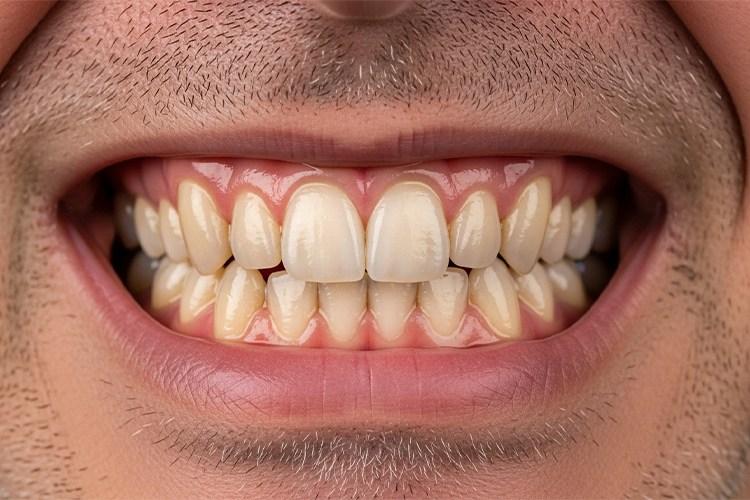
Pulpitis or Nerve Inflammation
Deep decay that requires drilling comes close to the nerves, puts stress on the pulp, and exposes it to inflammation. As you’re aware, inflamed pulp can cause severe, prolonged pain or a lingering ache. Although mild inflammations sometimes resolve on their own, more intense ones should be treated with proper methods and using specialized instruments by a skilled dentist.
Cracked or Loose Fillings
Chewing, grinding, or dental trauma can damage the filling or the tooth. As a result, bacteria and fluids can penetrate even minor cracks, irritating nerves and causing pain. Furthermore, loose fillings are prone to gaps that may lead to discomfort.
Infection or Tooth Decay
Bacterial penetration under or around the filling can lead to new decay and infection. This could be the answer to your inquiry: why my tooth filling hurts after months. Once again, advanced inflammation and decay need professional treatment most of the time.
Need Expert Help With Your Oral Health?
Regular dental checkups and seeking professional treatment when needed ensure long-term oral health. Contact us today to schedule a visit to keep your smile healthy and strong.
How to Identify the Cause of Your Filling Pain
Beyond the pain itself, you must identify the root cause and take the right action for that cause. Therefore, our experienced dentists recommend identifying what triggers the pain. In short, if you experience sharp pain when biting, a high filling or a crack is likely the cause. On the other hand, hot or cold sensitivity indicates nerve irritation or exposed dentin.
Additionally, it’s best to pay attention to how long the pain lasts. Simply put, if you’re wondering why my tooth filling hurts after months, you should check whether the pain stops quickly or lingers. If the pain stops quickly, it usually indicates mild sensitivity, which, as explained earlier, may resolve on its own over time. But persistent discomfort may be a sign of nerve inflammation that needs professional care.
Moreover, check whether the pain stays in one spot or radiates, as this information can deliver valuable insight into the issue. Also, look for visible problems, such as cracks, chips, or gaps around the filling.
Solutions and Treatments for Painful Tooth Fillings
These are some common treatments helpful for managing long-lasting tooth filling pain:
- Adjusting the bite: The dentist can reshape a high filling to balance your bite and ensure it feels even. This usually results in instant relief.
- Treating sensitivity: Desensitizing toothpaste, fluoride treatments, proper dental hygiene, and avoiding extremely hot and cold foods can help temporarily manage nerve irritation.
- Repairing or replacing fillings: A cracked filling must be repaired or replaced to prevent long-term pain. The same applies to loose or leaking fillings.
- Treating infections or pulpitis: The inflamed or infected nerve must be treated with the method your dentist recommends, such as medication or a root canal.
Read more: “Symptoms You Need a Root Canal: 5 Common Signs to Look Out For“
Now you know the answer to your main question: why my tooth filling hurts after months. It’s worth noting that A few preventive steps can also reduce the risk of future problems.
Preventive Methods
Maintain good oral hygiene, use fluoride products, avoid hard foods, consult your dentist about a night guard to prevent grinding, keep up your regular dental checkups, and limit sugary and acidic foods. Following these steps, you’ll likely be able to lower your chances of pain and complications related to fillings for an extended period.
For Anyone Asking Why My Tooth Filling Hurts After Months, Relief Starts Here
In this blog, we answered your main question: why my tooth filling hurts after months. As discussed, various factors can contribute to long-lasting pain, even months later. There are also some at-home steps that may ease the pain; if they don’t work well, you should visit an experienced dentist for professional care.
Our experienced dentists at Leslie North Dental are ready to deliver this service to the highest quality standards, so you won’t need to worry about issues like persistent discomfort. If you’re looking for skilled specialists in Newmarket, contact us today and schedule a consultation first.
FAQ
Why does my tooth filling hurt months later?
It usually means the tooth or filling isn’t fully stable. Common causes include a high bite, lingering nerve inflammation, or a small crack. Sometimes decay can develop under an older filling, leading to renewed pain. A quick dental exam can pinpoint the exact issue.
Is it normal for a filling to be sensitive after a long time?
Mild sensitivity can happen occasionally, but persistent or increasing sensitivity after months isn’t considered normal. It may signal nerve irritation, a worn filling, or a bite problem. A dentist should check it to prevent it from getting worse.
Can a high filling cause permanent damage?
Yes, if a high filling is left untreated, it can overload the tooth and cause long-term nerve irritation. This may eventually lead to chronic inflammation or the need for a root canal. Fixing the bite early prevents permanent damage.
How can I relieve pain at home before seeing a dentist?
You can use over-the-counter pain relievers, warm saltwater rinses, and avoid chewing on the painful side. Desensitizing toothpaste may help if the pain is sensitivity-related. These are temporary fixes, and seeing a dentist is still necessary.
If you’ve dealt with long-lasting discomfort after a tooth filling, tell us what steps or treatments worked for you. Your experience can help others in the similar situation.