To parents concerned about their children’s teeth development: an early orthodontic assessment is reassuring. Our orthodontics team at Leslie North Dental is led by Dr. Arash Poursattar, with years of experience working with children and improving their teeth alignment and jaw growth.
If you notice something off about your child’s teeth, it’s worth a professional assessment.

Treatment Duration
6 to 24 months
Covered by most insurances
Partial
Session Length
30 to 45 min
Initial App: 90 min
Recovery Time
Same Day to 2 Weeks, Depending on Treatment
Discomfort Level
Mid Level
Cost per Treatment
$6,000 to $8,500+
The recommended age of first orthodontic assessment by the American Association of Orthodontists is around age 7. At this age, your child’s first permanent teeth start coming in, and give an orthodontist a clear enough picture of the bite.
Note 1: Age 7 isn’t a hard deadline. If you or your dentist notice something unusual before then, it’s fine to come in sooner.
Note 2: A check-up at 7 doesn’t mean your child will walk out with braces. Most kids at this age are just monitored.
Most children who come in for an assessment aren't started on treatment that same day. Jaws and teeth are still developing, so watching and waiting is often the smarter move. Depending on what we see, we might suggest one of the options below:
No treatment needed right now
Periodic monitoring as more teeth and jaw growth come in
A follow-up visit in a few months to check progress
Early intervention if there's a specific issue worth addressing sooner
Full orthodontic treatment down the road, once more adult teeth have erupted
Select any signs you have noticed. The illustrations are general visual examples designed to help parents compare common tooth, bite, jaw, and oral habit concerns.
Phase 1, or interceptive orthodontics, is treatment given while your child still has a mix of baby and adult teeth, usually between ages 6 and 10. This treatment is recommended for several reasons:
Most orthodontic problems can still be corrected in one phase later on, so not all children need Phase 1.
Phase 1 doesn't guarantee your child skips braces later. It targets one issue at the right moment. Many kids still need a second phase once all adult teeth are in.
Start your journey to a straighter, healthier smile for you beloved child with our expert orthodontists in Newmarket.
Below are the options we may recommend, depending on your child’s dental condition.
If your child's upper jaw is narrower than it should be, or there's a crossbite involved, a palatal expander can widen the arch. It happens gradually, while the bones are still growing.
When your child loses a baby tooth too early, the neighboring teeth may drift into that empty space. A space maintainer holds that spot open, so the permanent tooth has room to erupt.
A removable or fixed appliance can guide how the jaw sits or grows. It is particularly useful for correcting bite discrepancies while your child still has active growth to work with.
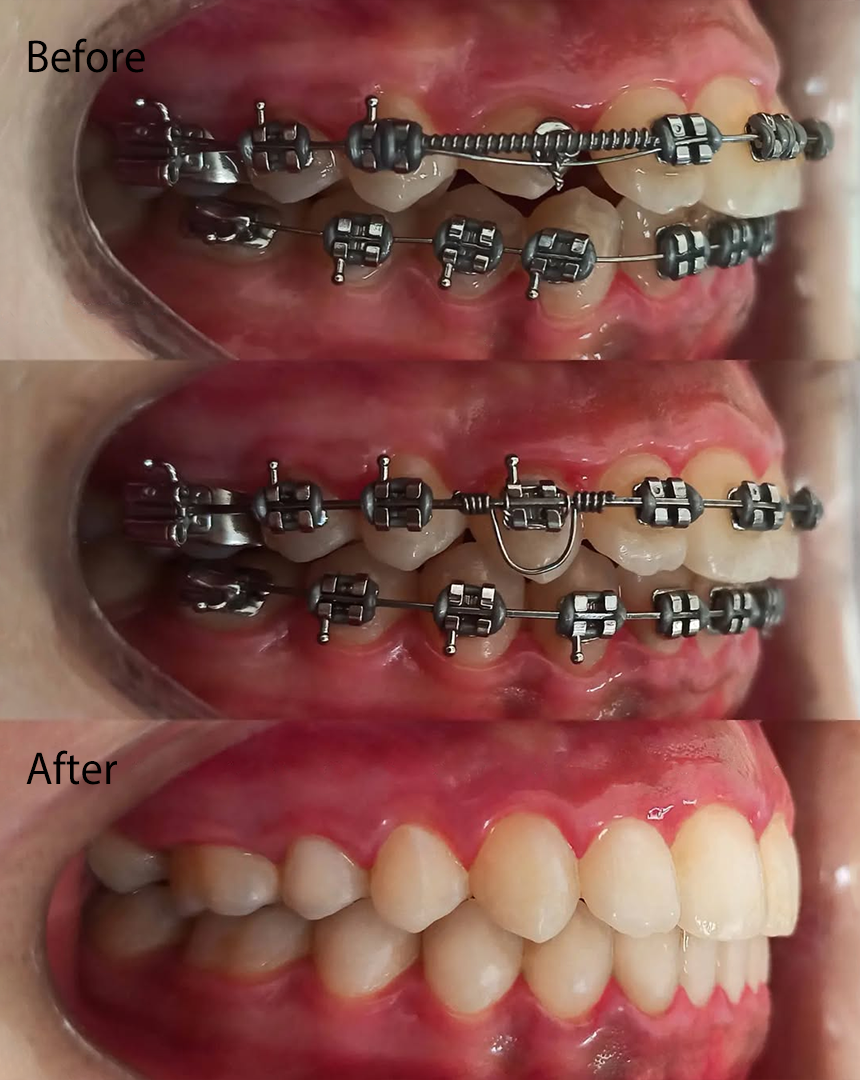
For some kids, braces, either as part of Phase 1 or as full treatment later on, end up being the right call. Today's brackets and wires are smaller and more comfortable than what many parents remember from their own childhood.
Once a phase of treatment wraps up, the rest of your child's teeth continue developing. At this point, a retainer often comes next to hold this progress in place.
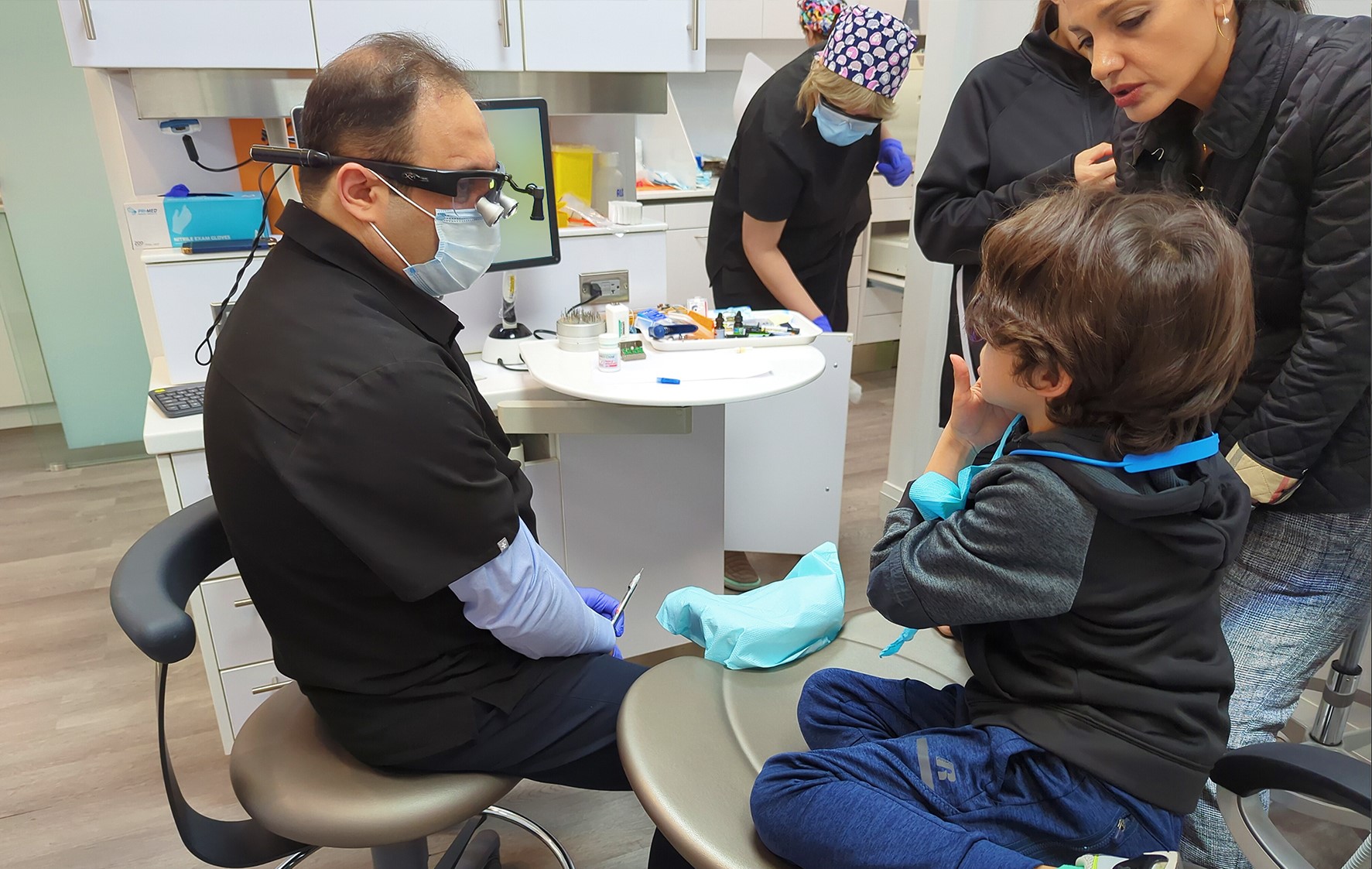
When you bring your child to our Newmarket clinic, our orthodontist will have a talk with you about your concerns and any symptoms you've noticed.

Next comes the actual exam to check how your child’s teeth are erupting and how the jaw is developing. We may also take digital photos or X-rays to get a clearer picture.
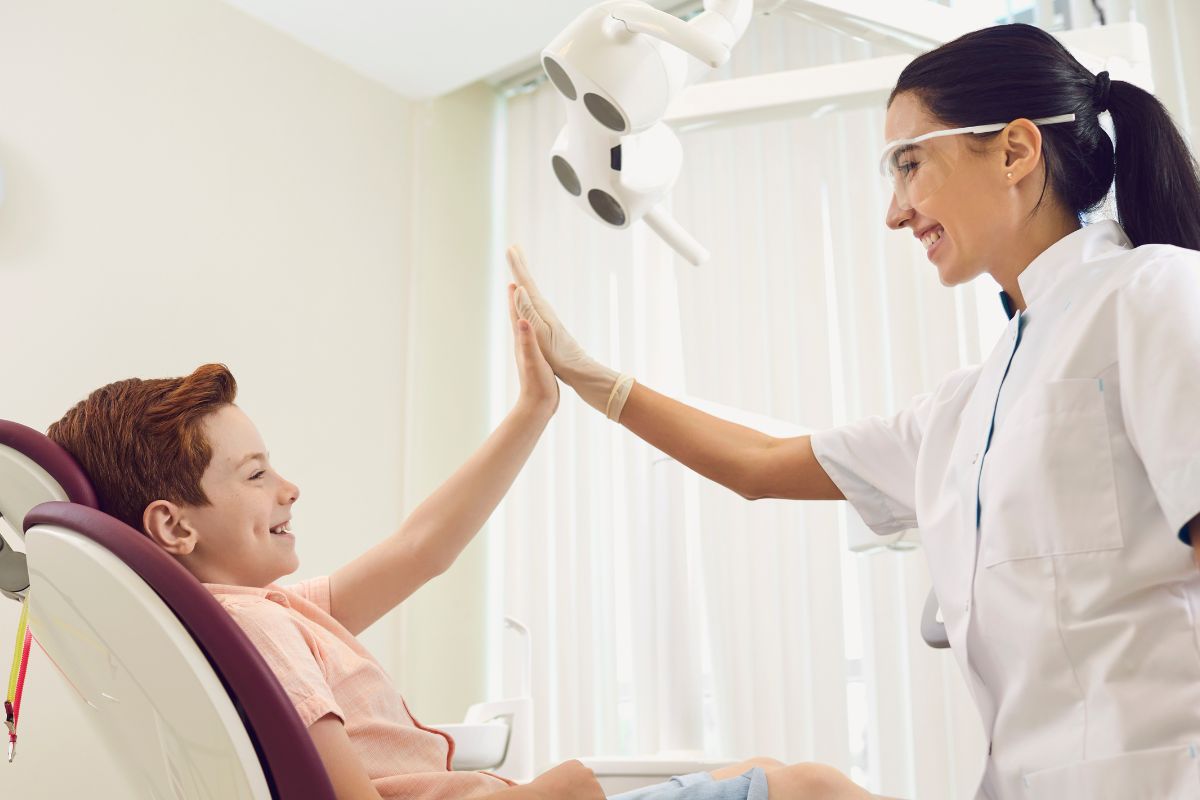
Once we've got the full picture, we'll explain what we recommend and why. We'll also go over insurance, and there's always room for questions, from you and from your child.
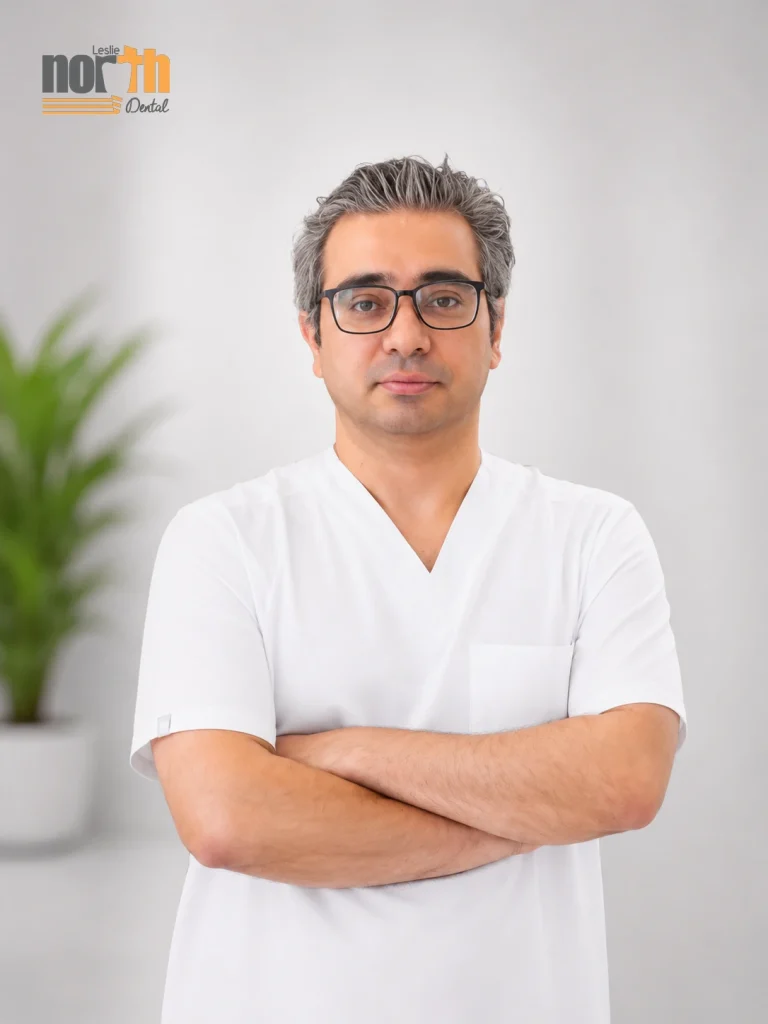
Your child's orthodontic care is led by our board-certified orthodontist, Dr. Arash Poursattar. He completed three years of specialty training in orthodontics at Boston University's Henry M. Goldman School of Dental Medicine, and graduated with a 3.97 GPA.
Beyond treating patients, Dr. Poursattar has served as a Clinical Assistant Professor and Course Director. He’s also great with kids and keeps the visit low-pressure..
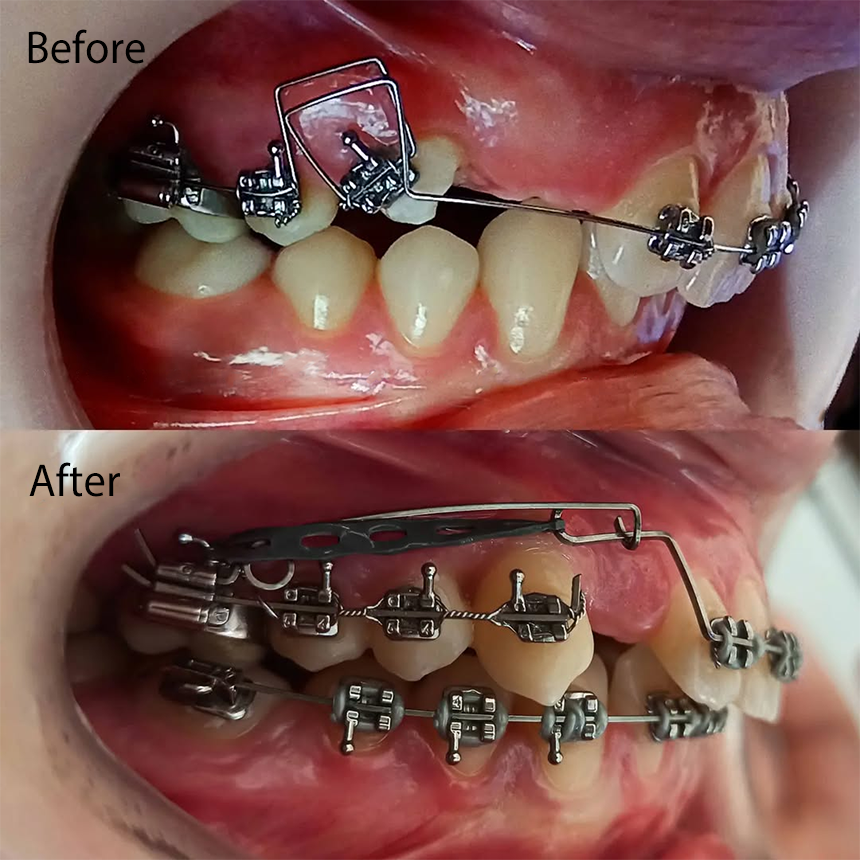
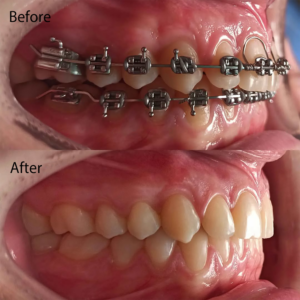
The cost of your child’s orthodontic treatment depends on what they need. For example, a monitoring visit costs far less than Phase 1 treatment. We'll give you a clear cost estimate based on your child’s needs.
We also accept different insurance plans and help you figure out what portion of the cost is covered. Our team also offers direct billing and monthly payment plans if you'd rather spread out the cost.
Get Orthodontic Treatment Today & Pay Later
Schedule an appointment now and discover the best treatment option for your perfect smile!
Our experts in Newmarket are committed to helping you achieve your goal. Contact us today to learn more about how we can enhance your smile and confidence.
FAQ
Around age 7 is common, since that’s when permanent teeth start coming in. Earlier is fine too, if there’s already a visible bite or development concern.
Not necessarily. Plenty of kids are simply monitored for a while until more adult teeth arrive, and it’s clearer whether treatment is actually needed.
It’s treatment given while your child still has both baby and adult teeth. It’s focused on fixing one specific issue, like jaw growth, bite, spacing, or how teeth are coming in.
Braces may cause mild discomfort at first, but it usually goes away after a few days. Our team uses gentle techniques to keep your child comfortable.
Sometimes, yes. Phase 1 addresses a specific developmental problem, and it doesn’t always finish aligning every tooth. Therefore, a second phase later on isn’t unusual.
Crowding, an unusual bite, teeth coming in at odd angles, protruding front teeth, a jaw that shifts, trouble chewing, or ongoing habits like thumb sucking are all worth a look.
We can assess how the habit is affecting tooth and jaw development. Then, depending on the case, we recommend behavioural strategies or an appliance to help.
Some mild soreness or pressure is common right after placement or an adjustment, but it’s usually temporary and manageable with everyday care.
It usually takes about 12 to 30 months. Early treatment can be shorter, often about 6 to 14 months, but it may be followed by a later second phase of braces that takes another 12 to 30 months.
✨ Treatments valued at $6,000–$8,000 may be eligible for up to 100% coverage or major discounts through this limited-time orthodontic program at Leslie North Dental.