Our dental needs change as we get older. Some people experience more frequent cavities, while others develop gum problems or issues with dental work completed years ago. These changes don’t necessarily mean losing your natural teeth. With proper oral hygiene and regular dental care, many seniors can maintain their teeth and gums throughout their later years.
A dentist for seniors can help identify oral health concerns and recommend appropriate treatment. In this guide, we’ll discuss common dental problems in older adults, the treatments that may help, and what seniors and their families should consider when choosing a dental clinic in Newmarket.
Why Does Dental Care Become More Important as We Age?
Aging doesn’t automatically cause tooth loss. Many older adults keep most or all of their natural teeth. That said, certain factors can make oral health more difficult to maintain over time.
For example, receding gums may expose tooth roots to bacteria and increase the risk of cavities. Some medications can reduce saliva production, leaving the mouth dry and more vulnerable to decay.
Existing dental work also needs attention. Fillings, dental crowns, and bridges can wear down or become damaged over time.
Read more: “Dental Implants vs Bridges: Pros, Cons, and How to Choose”
Changes in physical health may affect daily oral hygiene, too. Arthritis or reduced hand mobility, for example, can make brushing and flossing more challenging.
These concerns make regular dental care particularly valuable for seniors. Dental examinations can help identify developing problems and allow a dentist for seniors to recommend treatment before more extensive damage occurs.
The goal is to preserve natural teeth whenever possible and maintain comfortable chewing, speaking, and everyday oral function.
Common Dental Problems in Seniors
Older adults can experience many of the same dental problems as younger patients. Age-related changes, medications, and previous dental treatments may also increase certain risks.
Gum Disease and Gum Recession
Gum disease is a common oral health concern among older adults. It begins when plaque builds up around the gumline and causes inflammation. Without proper care, inflammation can progress to periodontitis, a more serious condition that affects the tissues and bone supporting the teeth.
Warning signs may include bleeding gums, swelling, persistent bad breath, and loose teeth.
Gum recession is another concern. As the gums pull away from the teeth, portions of the roots become exposed. These surfaces are more vulnerable to cavities and temperature sensitivity because they lack the protective enamel that covers the crowns of teeth.
Read more: “How to Restore Gum Health and Prevent Gum Disease Naturally”
Dry Mouth
Saliva helps protect teeth by washing away food particles and neutralizing acids produced by bacteria.
When saliva production decreases, the mouth may feel sticky or uncomfortable. Some people also experience difficulty swallowing dry foods or speaking for extended periods. Dry mouth is particularly common among seniors who take certain medications or have medical conditions that affect saliva production.
Persistent oral dryness needs attention because it can increase the risk of tooth decay and oral infections.
Tooth Decay
Cavities can develop at any age, even in people who have maintained good oral hygiene for decades.
In seniors, decay frequently affects exposed root surfaces and areas surrounding older fillings or crowns.
These locations may be harder to clean effectively, especially when gum recession or reduced hand mobility makes daily oral hygiene difficult.
A cavity may cause sensitivity or discomfort, but early decay often develops without noticeable symptoms. Regular examinations help dentists identify problems that patients might overlook.
Worn or Damaged Teeth
Years of everyday use can gradually wear down tooth surfaces.
Older fillings and other dental restorations may also loosen or develop cracks. Depending on the extent of the damage, patients may notice sharp tooth edges, sensitivity, discomfort when chewing, or changes in their bite.
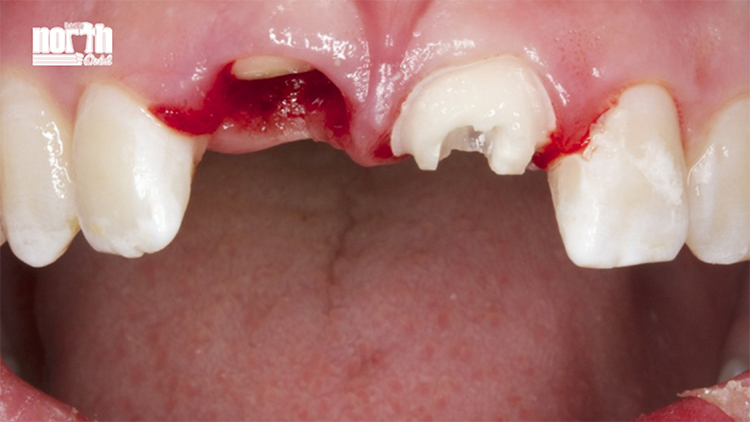
A dental examination can help determine if a tooth requires a new filling, a crown, or another restorative treatment.
Dental Care Seniors May Need to Maintain Their Oral Health
A dentist for seniors generally focuses on preventing oral disease, preserving existing teeth, and restoring damaged or missing teeth when necessary.
The appropriate treatment depends on the condition of the teeth and gums, existing restorations, and the patient’s overall health.
Dental Hygiene
Good dental hygiene becomes especially important as the risk of gum disease and root decay increases.
During a dental hygiene appointment, a hygienist can assess gum health and identify areas that are difficult to clean at home. Patients may also receive advice on brushing techniques, cleaning between their teeth, or using oral hygiene aids.
For seniors who struggle with manual dexterity, an electric toothbrush or a toothbrush with a modified handle may make daily cleaning easier.
Regular dental hygiene appointments also provide opportunities to monitor changes in gum health over time.
Professional Dental Cleaning
Brushing and flossing help control plaque, but they cannot remove hardened tartar once it forms on the teeth.
Professional dental cleaning removes these deposits, including buildup around the gumline that may contribute to inflammation. A cleaning appointment may involve scaling to remove tartar and polishing to remove some surface stains and remaining deposits.
Dental Fillings
Dental fillings are commonly used to repair teeth affected by cavities or minor damage. For older adults, we may recommend fillings when decay develops around an existing restoration or on an exposed root surface. During treatment, our team removes the decayed tooth structure and restores the affected area with a suitable filling material.
Treating cavities before they become extensive can help preserve more natural tooth structure and reduce the risk of further complications.
Root Canal Treatment
A deep cavity or injury may damage the dental pulp, which contains nerves and blood vessels inside the tooth. If the pulp becomes inflamed or infected beyond recovery, root canal treatment may be necessary.
For seniors, root canal treatment can be particularly valuable because it may allow a damaged tooth to remain in place rather than being extracted.
However, the tooth must have enough healthy structure and adequate support to be restored successfully. A dentist for seniors will assess these factors before recommending treatment.
Cosmetic Dentistry
Tooth color and appearance can change over time. Older adults may notice staining or differences in the appearance of existing dental restorations.
Cosmetic treatments such as teeth whitening, veneers, or dental bonding may help address selected concerns.
Before considering cosmetic dentistry, patients should have their teeth and gums examined. Existing cavities, gum disease, and dental restorations can affect which procedures are appropriate and the results they may achieve.
When Was Your Last Dental Checkup?
Regular dental checkups can help catch gum problems, cavities, dry mouth, and issues with older fillings or crowns before they get worse.
If it’s time for a visit, Leslie North Dental provides checkups and ongoing dental care for older adults in Newmarket.
Dental Implants
Missing teeth can make chewing more difficult and affect how neighboring teeth function.
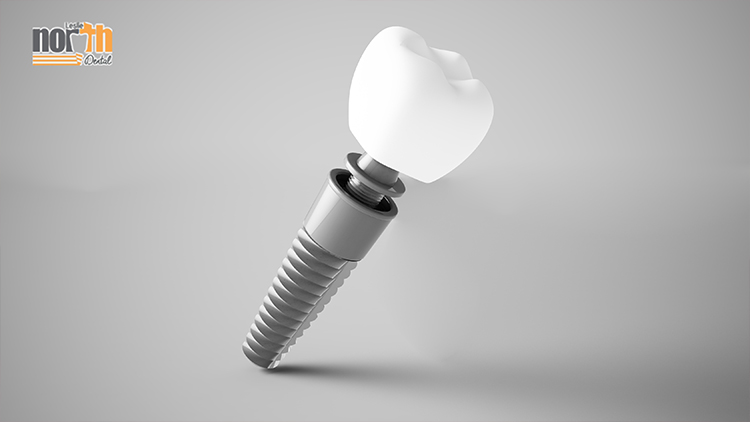
Dental implants are one possible option for replacing missing teeth. An implant is placed in the jawbone and can support a crown, bridge, or denture.
A thorough assessment helps determine if an implant is suitable or if another tooth replacement option would be preferable.
Dental Crowns and Bridges
Dental crowns are restorations that cover and protect weakened or damaged teeth. A dentist may recommend a crown when a tooth has a large filling, significant wear, a fracture, or extensive damage following root canal treatment.
Dental bridges serve a different purpose. They replace one or more missing teeth, supported by neighboring teeth or dental implants.
For seniors, crowns and bridges may help restore chewing ability and maintain oral function. The dentist will assess the condition of the remaining teeth and supporting tissues before recommending either treatment.
How Medications Can Affect Oral Health
Many older adults take prescription medications to manage ongoing health conditions. Some of these medications can also affect oral health. For example, certain medications used to treat high blood pressure, allergies, depression, and other conditions may reduce saliva production.
Without sufficient saliva, bacteria and acids are not cleared from the mouth as effectively. This can increase the risk of tooth decay and make eating or swallowing uncomfortable.
Seniors experiencing dry mouth may benefit from drinking water regularly, using saliva substitutes, or chewing sugar-free gum when appropriate.
Always tell your dentist about your current medications, including over-the-counter products and supplements. An up-to-date medication list can help the dentist for seniors identify potential concerns and plan treatment safely.
What Should Seniors Expect During a Dental Visit?
A dental appointment for an older adult is generally similar to a routine visit for any other patient.
Here is what a typical appointment may involve:
- Reviewing medical and dental history: The dentist asks about medical conditions, previous dental treatments, and any current symptoms.
- Checking medications: The dental team reviews the medications the patient is taking.
- Examining teeth and gums: The dentist checks for cavities, gum disease, tooth mobility, and other oral health concerns.
- Assessing existing restorations: The dentist examines fillings, crowns, bridges, and other dental work for signs of damage or deterioration.
- Taking dental X-rays when needed: Imaging may help identify decay, infections, bone changes, or problems that cannot be detected through a visual examination alone.
- Discussing treatment recommendations: The dentist explains any findings and the available treatment options.
Patients can also discuss practical concerns, such as difficulty brushing or sensitivity when eating.
How Can Family Members Help With Senior Dental Care?
Some seniors manage their dental appointments and daily oral hygiene independently. Others may appreciate assistance from a spouse or caregiver.
Family members can help in several practical ways, such as:
- Arranging dental appointments
- Preparing a medication list
- Communicating dental concerns
- Accompanying the patient
- Supporting treatment aftercare
Keep in mind that family involvement should respect the older adult’s preferences and independence. Even when a family member helps coordinate care, the patient should remain involved in decisions about their dental treatment as much as possible.
Paying for Dental Care as a Senior
Depending on their circumstances, seniors may have dental benefits through private insurance, the Canadian Dental Care Plan (CDCP), or other government-funded programs.

Available coverage varies by program and treatment. Patients should confirm their benefits and any expected out-of-pocket costs before proceeding. Leslie North Dental welcomes eligible CDCP patients and provides direct billing support for many insurance plans.
For more information, read the clinic’s guides to government dental coverage for seniors in Canada and CDCP dental services in Newmarket.
When Should a Senior See a Dentist?
Severe tooth pain is an obvious reason to visit a dentist for seniors, but many oral health problems begin with much less noticeable symptoms.
Seniors should arrange a dental assessment if they experience:
- Persistent tooth pain or discomfort when biting
- Bleeding or swollen gums
- Increased sensitivity to hot or cold foods
- Persistent dry mouth
- Difficulty chewing or swallowing
- Loose or shifting teeth
- Broken, cracked, or damaged teeth
- Changes around existing fillings, crowns, or bridges
Swelling accompanied by fever or increasing pain may indicate an infection that requires prompt dental assessment. Severe facial swelling or difficulty breathing or swallowing requires emergency medical attention.
Older adults should also continue attending routine dental examinations when they have no noticeable symptoms.
The ideal appointment frequency depends on individual oral health needs. Your dentist may recommend a different examination schedule based on gum health and previous dental treatments.
Finding a Dentist for Seniors in Newmarket
Regular dental care can help seniors manage oral health problems and preserve their natural teeth. When choosing a dentist for seniors, consider access to preventive care, restorative treatments, and assistance with dental coverage.
At Leslie North Dental, we provide dental care for seniors in Newmarket, including dental hygiene, professional cleaning, fillings, and other dental treatments for older adults. Contact us to arrange an appointment.
FAQ
What dental problems are common in seniors?
Common dental concerns among seniors include gum disease, gum recession, dry mouth, cavities, and worn or damaged teeth. Existing dental restorations may also require repair or replacement over time.
How often should seniors visit the dentist?
The frequency depends on the condition of their teeth and gums, their risk of cavities, and any existing dental problems. A dentist can recommend an appropriate schedule for examinations and professional cleanings.
Are cavities common in older adults?
Yes. Older adults can develop cavities around existing fillings and crowns or on exposed tooth roots. Dry mouth and difficulty maintaining oral hygiene can also increase the risk.
Can medications affect oral health?
Yes. Certain medications reduce saliva production and cause dry mouth. This can increase the risk of cavities and oral infections. Patients should inform their dentist about all medications they take.
Can root canal treatment help seniors keep a natural tooth?
Yes. Root canal treatment may preserve a tooth affected by severe pulp inflammation or infection. However, the dentist must first determine if the tooth can be successfully restored.
Does Leslie North Dental provide dental care for seniors?
Yes. Leslie North Dental welcomes older adults and provides preventive, restorative, and specialist dental services in Newmarket.
What would you like to know about caring for your teeth as you get older? Share your questions in the comments below.