Can Invisalign deliver optimal results for you? You need to consult an expert orthodontist, who will determine whether Invisalign is suitable for you.
If you have teeth misalignment or bite issues, read this guide to learn what happens during an Invisalign consultation.
Why is a Consultation Necessary Before Treatment
Clear aligners are not suitable for all patients. Therefore, a consultation session is necessary to evaluate your condition to determine whether you are a suitable candidate for Invisalign treatment. Patients also have the opportunity to ask questions about the treatment and understand the expected timeline and costs. This ensures patients can make an informed treatment decision.
Who Is a Good Candidate for Invisalign?
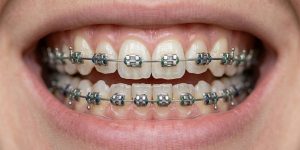
As noted earlier, Invisalign may not be the perfect solution for all candidates. In summary, people with more severe misalignments and bite issues are better suited for fixed treatments such as traditional metal braces. In contrast, Invisalign is more suitable for candidates such as:
- Patients with mild to moderate crowding or spacing issues.
- Teens and adults with fully erupted permanent teeth.
- Patients who want discreet, removable alternatives to braces.
- Those who can wear clear aligners for more than 20 hours a day.
- Patients with healthy teeth and gums, without untreated gum disease or major decay.
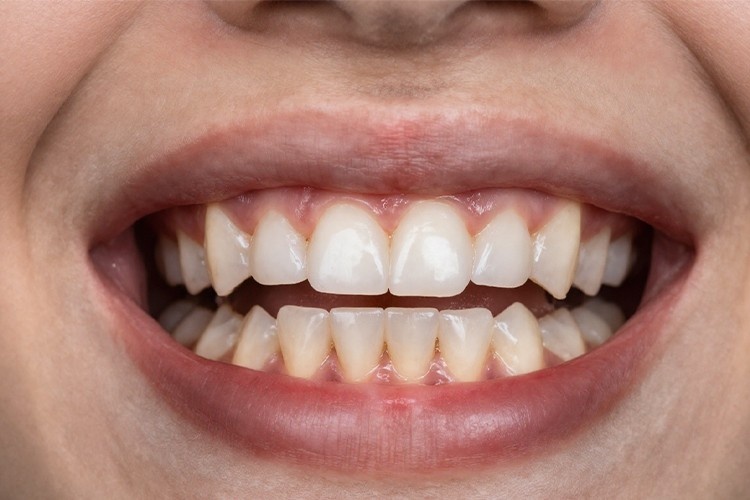
Ultimately, the orthodontist must determine if you’re a good candidate for this treatment method or not.
Step-by-Step: What Happens During an Invisalign Consultation?
Here, we will look at the Invisalign consultation process in detail:
Discussion of Your Smile Goals and Concerns
The orthodontist needs to understand what changes you want to make to your smile. This is important because orthodontic treatment is not only functional but also impacts appearance. Feel free to discuss concerns like teeth crowding and gaps, as well as bite issues causing discomfort.
The orthodontist will then assess your case and determine whether your expectations align with what Invisalign can realistically achieve.
Review of Dental and Medical History
Is Invisalign safe for you? To confirm this, the dentist must review your dental and medical history. This stage of the Invisalign consultation includes checking past orthodontic treatments, current oral health status, allergies, and any ongoing medical issues that could affect treatment. Reviewing the patient’s medical condition helps ensure that the treatment plan is safe and effective
Comprehensive Oral Examination
Any issues like decay, gum disease, or bite misalignment must be spotted before starting treatment. That’s why the orthodontic team performs a detailed checkup before creating the treatment plan. After assessment, the orthodontist can confirm that your oral health is suitable for Invisalign treatment.
Read more: “How to Restore Gum Health and Prevent Gum Disease Naturally”
Digital Scans and Diagnostic Imaging
Dentists use digital scans during the Invisalign consultation to create an accurate 3D model of your teeth. Digital scans, and in some cases additional diagnostic imaging, help the orthodontist capture precise details of your bite and misalignment for better treatment planning.
Start Your Orthodontic Consultation Today
Whether you need preventive care, restorative treatment, or advanced dental services, our team is here to help you maintain a healthy smile. Call today to schedule your visit and address dental concerns before they become more serious.
Bite and Teeth Alignment Assessment
The primary purpose of orthodontic treatment is to address functional issues. The orthodontist carefully evaluates how your upper and lower teeth fit together when you bite. This is how they can identify possible bite problems, such as overbite, underbite, crossbite, and uneven tooth contact.
Understanding misalignment and bite problems is essential for creating a fully customized treatment plan that can deliver balanced, long-term results.
Smile Simulation and Treatment Preview
Professional clinics use advanced software to show a visual preview of how your teeth will look after finishing the treatment. The software uses digital scans combined with planned tooth movements to generate the simulation.
With this preview, you gain a clear idea of the expected outcome, which helps you make a more informed decision.
Creation of a Personalized Treatment Plan
After gathering all required information, the orthodontist team begins developing a tailored treatment plan at this stage of the Invisalign consultation process. The plan includes an estimated timeline, the number of aligners needed, and the step-by-step movement of your teeth over time. Personalized plans are meant to ensure predictable results when addressing specific alignment and bite issues in a controlled and safe manner.

Cost Estimate and Payment Options
At the end of the consultation, you receive a detailed cost estimate based on the complexity of your case and the expected treatment length. Usually, the orthodontist will also explain what the fee includes, such as scans, aligners, and necessary follow-ups.
Read more: “What to Expect from the Invisalign Cost in Newmarket?”
Questions to Ask During Your Invisalign Consultation
Be sure to ask the following questions during your Invisalign consultation:
- Am I a suitable candidate for Invisalign treatment?
- How long is my treatment likely to take?
- How many aligners will I need?
- What results can I realistically expect?
- How often will I need check-ups during treatment?
- What happens if I don’t wear my aligners as recommended?
- Are there any extra costs beyond the initial quote?
- Do I need any dental work before starting treatment?
- Will I need retainers after finishing Invisalign?
- What happens if my teeth don’t move as expected?
Invisalign Consultation Reveals Your Best Path to that Desired Smile
Many patients prefer Invisalign as the orthodontic treatment, due to its discreet appearance and ease of use. However, this method does not suit everyone. This is why an Invisalign consultation is necessary: it allows the orthodontist to gather all the required information about the patient and determine whether they’re a good candidate.
In this article, we have provided a detailed step-by-step guide to help you know how the consultation process works. If you’re in Newmarket and want to address teeth misalignment and bite issues with clear aligners, our professional orthodontists at Leslie North Dental are ready to help you make the best decision based on your specific needs. Contact us to schedule the consultation.
FAQ
How long does an Invisalign consultation take?
An Invisalign consultation usually takes between 30 minutes and 1 hour. The exact time depends on how complex your case is and whether digital scans or X-rays are needed. Clinics also spend time discussing your goals and answering questions, which can extend the appointment slightly.
Do I need X-rays during an Invisalign consultation?
X-rays are not always required, but many clinics use them to get a complete view of your teeth and jaw structure. They help detect hidden issues like bone loss, impacted teeth, or decay that aren’t visible during a visual exam. If your dentist already has recent X-rays, they may use those instead of taking new ones.
Will I receive a treatment plan at my first Invisalign consultation?
In many cases, you will receive a preliminary treatment plan after your scans and assessment. This plan outlines estimated duration, expected tooth movement, and whether Invisalign is suitable for you. A more detailed and finalized plan is usually confirmed after further digital planning.
How do I know if I am a good candidate for Invisalign?
An orthodontist will determine your suitability during the consultation based on your teeth, bite, and oral health. Generally, mild to moderate alignment issues and healthy gums make you a strong candidate. The only way to know for sure is through a professional assessment, not self-diagnosis.
Have you had an Invisalign consultation yet, or are you still deciding if it’s right for you? Share your questions or experience in the comments to help others who are considering treatment.