Suffering from teeth misalignment and bite issues? Orthodontic treatment options can help correct these concerns to restore your smile and improve your appearance.
In this blog, we’ll go through all aspects of orthodontic treatment to help you understand everything you need to know before undergoing treatment.
What Is Orthodontic Treatment?
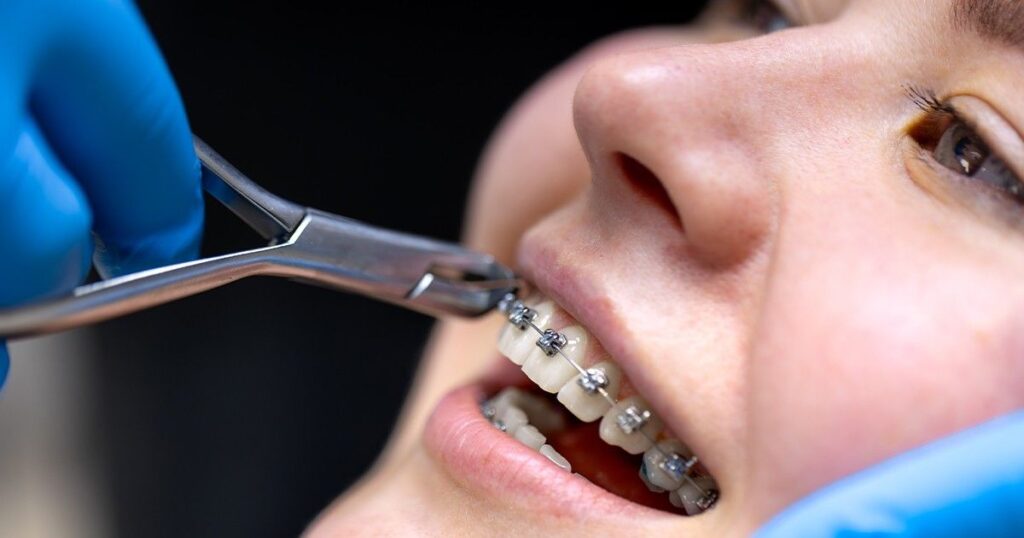
This is a branch of dentistry that focuses on correcting teeth misalignment and bite issues. Additionally, treating jaw irregularities is also an orthodontist’s responsibility. Orthodontic treatment options vary, from traditional metal braces to Invisalign, which uses clear, removable trays.
Besides moving teeth into the proper position, orthodontic treatments also improve oral health and function, as well as the patient’s appearance.
Who Can Benefit from Orthodontic Treatment?
Patients of all ages can undergo orthodontic treatment, no matter whether you’re a child, a teenager, or an adult. Different orthodontic treatment options can help you address crooked, crowded, or spaced teeth. Bite problems such as overbites, underbites, crossbites, and open bites can cause various functional and aesthetic issues. A qualified orthodontist can help you get rid of them and restore your teeth optimal functionality and also their beauty.
It’s worth mentioning that it’s best to start these treatments during childhood, while the jaw is still developing. However, as mentioned earlier, it’s never too late. If your parents neglected this issue, you can improve your oral health and smile by choosing the proper method.
Read more: “5 Compelling Reasons to Get Orthodontic Treatment”
Common Orthodontic Issues That Orthodontic Treatment Can Correct
Let’s briefly look at the issues that different orthodontic treatment options can address:
- Crowded teeth
- Spacing issues
- Overbite
- Underbite
- Crossbite
- Open bite
- Midline misalignment
- Jaw misalignment
Orthodontic Treatment Options Explained
In this part, we’ll review different orthodontic treatment methods.
Traditional Metal Braces
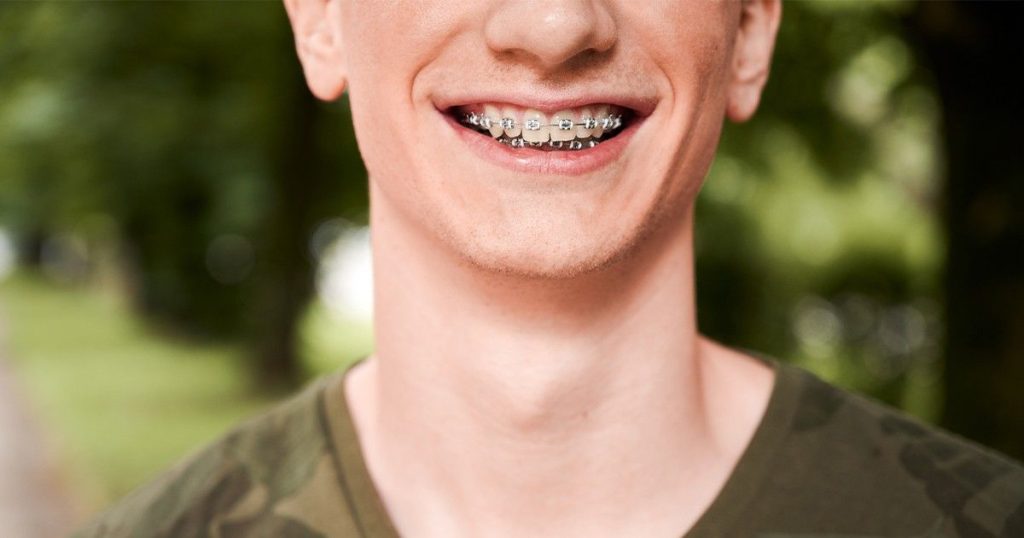
This is one of the oldest methods that uses fixed wires and brackets made of metal to address misalignment and bite problems. These braces are clearly visible, which is why many adults prefer to avoid them due to their visible appearance.
Teenagers and children, however, can benefit from this method in treating more severe cases through continuous, controlled pressure that gradually moves teeth into the proper position.
Thinking About a Smile Makeover?
At Leslie North Dental, we offer personalized cosmetic consultations to help you choose the right treatments for your smile enhancement.
Book a consultation today! Your dream smile is just a call away.
Invisalign
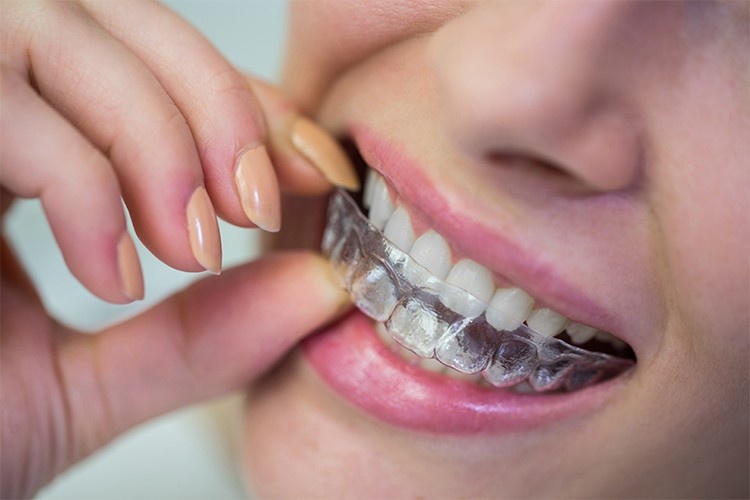
Unlike traditional braces, Invisalign uses clear, discreet aligners that are custom-made and removable. As a result, even adults can wear them to treat teeth misalignments, without worrying about aesthetics.
If worn as prescribed, these clear aligners can gradually move teeth into proper alignment after months, depending on case severity. Note that compared to traditional metal braces, this treatment method requires extra care, and trays must be replaced every one to two weeks.
Ceramic Braces
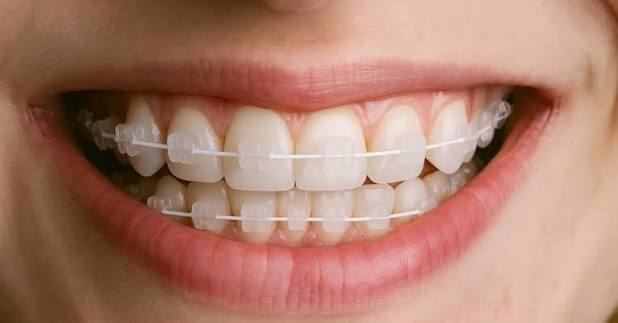
They’re similar to traditional braces, but instead of metal brackets, they use tooth-colored ceramic, that making them more discreet compared to metal braces. They can be used to treat mild misalignments and bite issues, while they remain unnoticeable. That said, they can be considered one of the good orthodontic treatment options for adults with more complex cases.
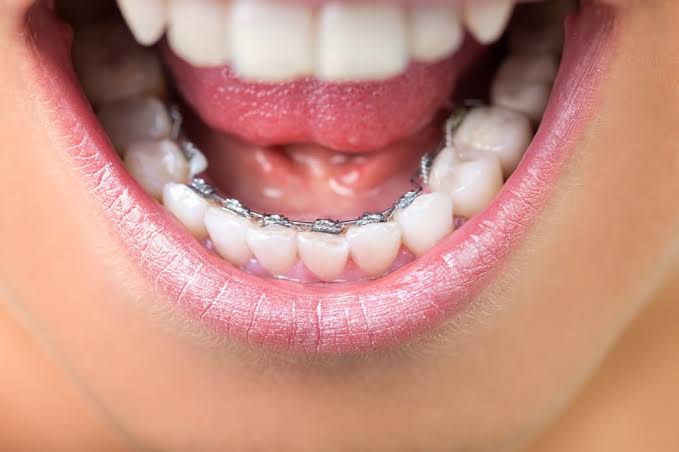
Lingual Braces
Lingual braces include wires and brackets that are attached to the back instead of the front. In fact, they work exactly as traditional braces, but can’t be seen since they’re behind the teeth. The downside to this approach is that at first, it can cause discomfort and also speech problems.
Retainers
Usually, after finishing the treatment, orthodontists prescribe retainers to maintain teeth in their new positions. They prevent teeth from relapsing. In addition, retainers can also be used to address minor misalignment in some cases. But in general, they are not considered a standalone treatment method.
Significant Benefits of Orthodontic Treatment
As explained, orthodontic treatment options are about more than just a straighter smile. These methods provide long-term improvements in oral health and functionality, improving patients’ quality of life. With better bite function, chewing and speaking become more efficient and comfortable.
Furthermore, correcting misalignments prevents jaw discomfort, reducing strain and TMJ-related discomfort. The benefits of orthodontic treatments also include enhanced appearance, which improves confidence. Ultimately, maintaining proper tooth alignment prevents common dental damage such as uneven wear.
Conclusion
Teeth misalignment and bite problems can cause several functional, aesthetic, and comfort-related issues. Different orthodontic treatment options are designed to address these problems for children, teenagers, and adults. In this blog, we discussed all aspects of these methods to help you learn more about this branch of dentistry.
If you’re in Newmarket and looking for high-quality orthodontic services, our experienced team at Leslie North Dental is ready to help you move your teeth into the proper position with the best method that perfectly suits your specific case. Contact us today and schedule a visit.
FAQ
How long does orthodontic treatment take?
Orthodontic treatment usually takes between 12 and 24 months, but simpler cases can be shorter and more complex cases can take longer. The exact duration depends on the severity of misalignment, the type of appliance used, and how consistently the patient follows instructions. Some minor corrections may even be completed in under a year.
Are clear aligners as effective as braces?
Clear aligners can be just as effective as braces for mild to moderate alignment and bite issues when used correctly. However, traditional braces are generally more effective for severe crowding, complex bite problems, or cases requiring precise tooth control. The best option depends on the individual case, not personal preference alone.
Do I need to wear a retainer after orthodontic treatment?
Yes, wearing a retainer after treatment is essential to keep teeth from shifting back to their original positions. Teeth naturally tend to move over time, especially in the first few months after treatment. Consistent retainer use helps preserve long-term results.
Is orthodontic treatment painful?
Orthodontic treatment is not usually painful, but it can cause mild discomfort or pressure when treatment begins or after adjustments. This sensation typically lasts a few days and is a normal sign that teeth are moving. Most patients describe it as manageable rather than painful.
Have you undergone orthodontic treatment, or are you considering it? Which treatment option interests you the most, or what questions do you still have? Share your thoughts in the comments below.