
Third molars often serve no functional purpose and can cause discomfort. The better you understand this area of your mouth, the more effectively you can resolve related issues and prevent future problems.
That’s why we aim to discuss wisdom teeth growth age in this blog, alongside other key points you should know about them. So if you’re already feeling soreness in the back of your mouth, continue reading.
What Are Wisdom Teeth (Third Molars)?
Wisdom teeth, or third molars, are the last set of adult teeth that often develop at the back of the mouth. For our ancestors, who needed greater chewing power to chew tougher, unprocessed foods, wisdom teeth were functionally necessary. However, today’s modern diets and smaller jaws make them unnecessary and even problematic in most cases.
There are four wisdom teeth in total, but variations in numbers are common. That said, some people grow fewer and some none at all. Additionally, a small percentage of people may have extra molars.
Typical Wisdom Teeth Growth Age and Eruption Timeline
Typically, wisdom teeth growth age falls between the late teens and mid-twenties. In other words, the range varies from 17 to 25. Although rare, some people may experience third molar eruption after 25, or even in their early 30s. Also, as mentioned earlier, some people’s wisdom teeth may never develop at all.
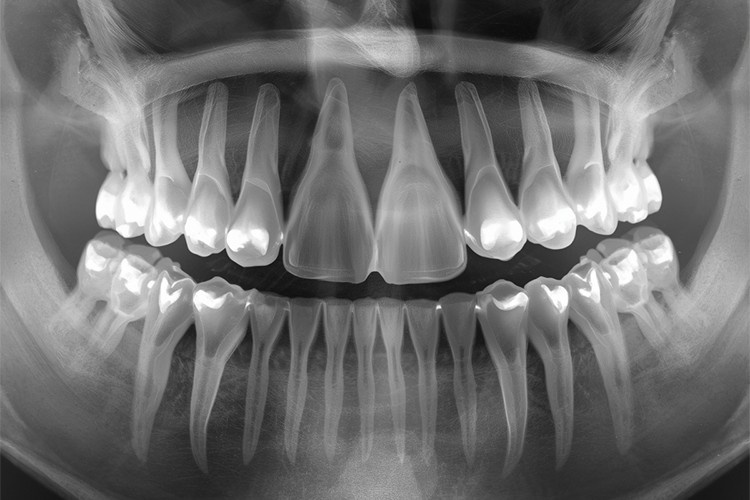
It’s worth mentioning that these teeth begin forming earlier in childhood, not breaking through the gums until young adulthood. But eruption patterns vary from one individual to another. In some cases, the tooth fully erupts, causing no issues, while in most cases, these teeth remain partially or completely impacted, which can affect gum health and alignment.
Why Eruption Timing Varies
Numerous biological and anatomical factors contribute to this timing difference and determine whether wisdom teeth break through the gums. For example:
- Jaw size
- Genetics
- The angle of the developing tooth
Simply put, limited space or crowding can delay or even entirely prevent eruption. In addition, hormonal shifts during the late teens and early twenties play a critical role.
What Happens When Wisdom Teeth Grow In
Regardless of wisdom teeth growth age, the eruption of these vestigial teeth may cause minor or significant oral health problems. Our dentists state that in less complex cases, growth may result in slight gum changes, mild swelling, or a feeling of pressure at the very back of your mouth. Even in less problematic cases, minor, short-term discomfort is expected, as the tooth will push the gum, similar to a dull ache.
On the other hand, serious cases can cause severe soreness and noticeable pain. In crowded mouths with limited space, wisdom teeth will likely become impacted. Teeth that develop at an angle are equally prone to impaction. As a result, problems such as extreme crowding, infection, gum inflammation, tooth decay, and jaw pain are likely to occur. Learning how to cure TMJ permanently can help you address a significant part of the issue. However, sometimes scheduling oral surgery is the only reliable option.
Looking for Trusted Dental Support?
From preventive care to advanced dental treatments, we’re committed to supporting your long-term oral health. Contact us today and get expert care tailored to your needs.
When and Why Wisdom Tooth Extraction Might Be Recommended
If necessary, it’s best to schedule a wisdom tooth extraction in the late teens or early twenties, when the roots are not fully formed, and healing is typically easier due to a stronger immune system.
But when is removal necessary, and when is it safe to leave third molars? In general, impacted teeth leave you no choice but to undergo extraction. Pain, infection, and gum inflammation caused by growing wisdom teeth may lead to additional oral health issues, and that’s why dentists recommend removing them at the right time, considering the wisdom teeth growth age. Note that in some cases, pain can become so severe that you may need to see an emergency dentist.
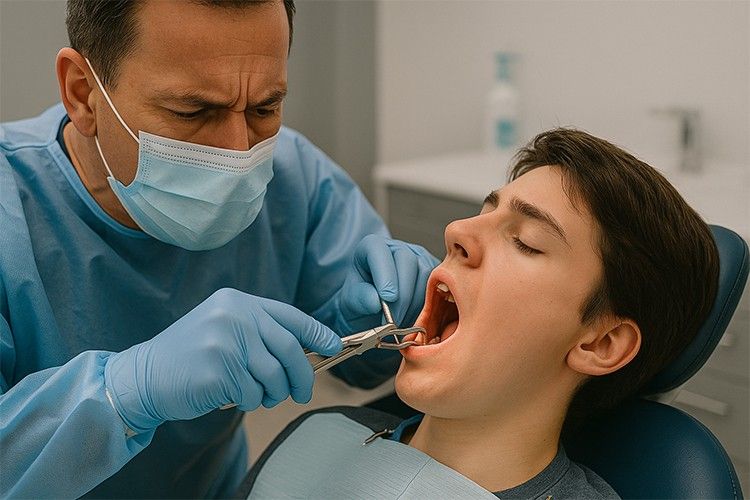
Keep in mind that, in some cases, the eruption of these teeth can pose a risk to neighboring teeth by increasing crowding, contributing to decay, or causing structural damage. If you prefer to prevent future issues, you can remove symptom-free wisdom teeth if X-rays indicate they’re likely to cause problems in the future.
Tips and Best Practices During Wisdom Teeth Growth Age
To keep everything under control, we recommend following these tips and best practices, monitoring the development of third molars closely:
- Keep the back molars clean and prioritize thorough dental cleaning.
- Rinse with warm saltwater during eruption to soothe irritated gums and improve oral hygiene.
- Watch for early warning signs, such as swelling, jaw stiffness, or lingering pain, to detect the issue early.
- Avoid putting pressure on the erupting area by chewing on the opposite side.
- Keeping strong daily oral hygiene habits reduces the risk of cavities around partially erupted wisdom teeth.
- Consult an experienced dentist if pain persists, gums stay swollen, or you suspect the tooth isn’t erupting naturally.
- Maintain regular dental check-ups to track tooth position, growth direction, and early signs of impaction with the help of an expert.
Read more: “Why Is It Important to Have Regular Oral Checkups?”
Let Wisdom Teeth Growth Age Knowledge Lead You to Timely Care
As discussed, the wisdom teeth growth age varies from one person to another because of multiple influencing factors. Nevertheless, seeking timely care based on the severity of your case ensures you won’t experience persistent discomfort and prevents further issues.
If you’re struggling with impacted third molars, it’s best to visit a skilled dentist for a thorough diagnosis. Our team at Leslie North Dental is ready to help you relieve pain and restore your oral health with a solution tailored to your unique condition. If you’re in Newmarket and dealing with wisdom tooth symptoms, you can book an appointment with us.
FAQ
What is the average age at which wisdom teeth appear?
They usually erupt between ages 17 and 25, with most people noticing changes in their late teens or early twenties. Some may see earlier or slower eruption depending on jaw space and genetics.
Can wisdom teeth grow in later than 25?
Yes, they can appear after 25, though it’s less common. Some people don’t see eruption until their late twenties or even early thirties.
Why don’t some people get wisdom teeth at all?
Genetics plays a major role, and many people are simply born without one or more third molars. Evolutionary jaw changes and reduced chewing demands have also reduced the prevalence of wisdom teeth.
Do wisdom teeth always need removal?
No, they only need removal if they’re impacted, causing symptoms, or likely to damage nearby teeth or gums. Fully erupted, healthy, and easy-to-clean wisdom teeth can often stay in place.
If you’ve dealt with discomfort during wisdom tooth eruption, share what helped you manage it. Your experience may guide someone facing the same issue.