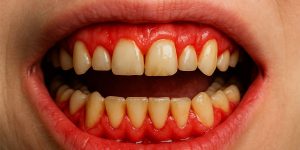
Bad breath, also called halitosis, is something most of us deal with at some point. Whether it’s morning breath, a bad taste in your mouth, or a smell others notice before you do, it can be frustrating and even embarrassing. The good news? There are clear reasons for bad breath, and in many cases, simple ways to fix it.
In this guide, we’ll break down the most common halitosis causes, what might be behind persistent halitosis, and how to treat it.
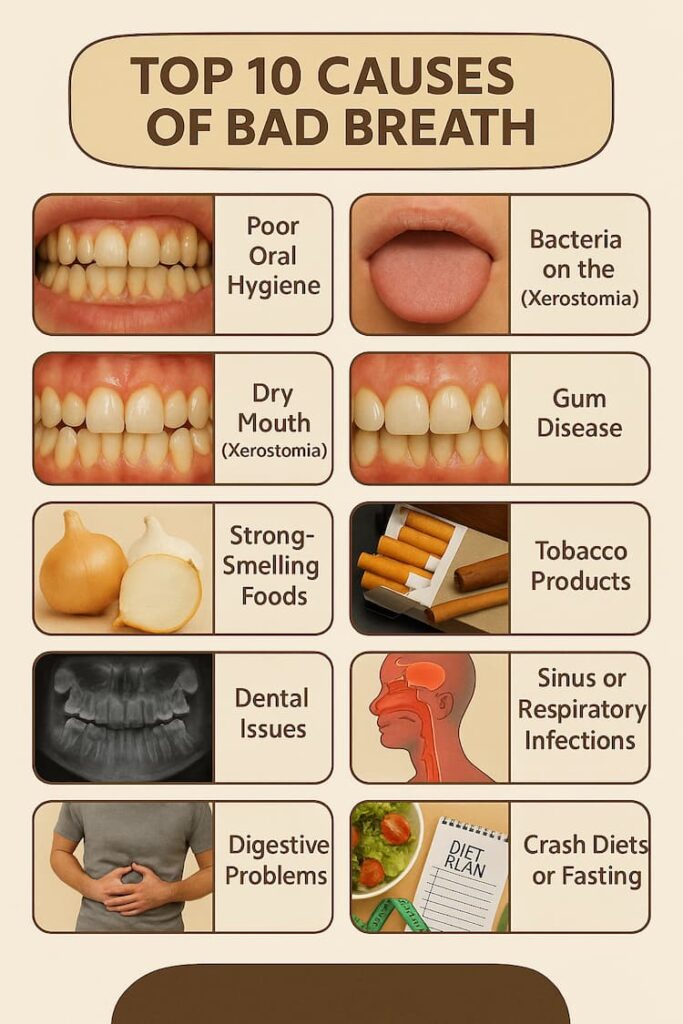
Top 10 Causes of Bad Breath
If you’re wondering, “Why does my breath always smell?” you should know that bad breath can have a variety of causes, some obvious, others less so. Whether you’re dealing with terrible breath first thing in the morning or a more persistent odor throughout the day, you should first understand the root cause. Below are the top 10 most common reasons for bad breath.
1. Poor Oral Hygiene
Neglecting proper brushing and flossing allows food particles to remain in the mouth, feeding odor-causing bacteria. Over time, this leads to plaque buildup, gum irritation, and even tooth decay, all of which contribute to halitosis. That’s why maintaining good oral hygiene is the first step in fighting bad breath.
2. Bacteria on the Tongue
Your tongue, especially the back portion, is a hotbed for bacteria. When these microbes break down proteins and leftover food particles, they produce sulfur compounds that cause smelly breath. If you don’t regularly clean your tongue using a scraper or soft toothbrush, this buildup can lead to persistent halitosis, even if your teeth are clean.
Reference: Nature

3. Dry Mouth (Xerostomia)
Saliva is nature’s mouthwash; it helps rinse away food debris and keeps bacteria in check. When saliva production drops due to dehydration, medications, or breathing through your mouth, it creates a dry environment where bacteria thrive. This leads to a stronger, more noticeable bad breath odor. Chronic dry mouth often requires medical evaluation and special care.
4. Gum Disease
Gum disease (gingivitis or periodontitis) occurs when plaque hardens into tartar and irritates the gum line. The resulting inflammation and infection can produce a persistent, foul odor that brushing alone won’t fix. If your bad breath halitosis is accompanied by bleeding gums, receding gum lines, or loose teeth, it may be time to see a periodontist.
5. Strong-Smelling Foods
Foods like garlic, onions, certain spices, and some dairy products contain sulfur compounds that don’t just linger in your mouth; they enter your bloodstream and are expelled through your lungs. This means brushing may not completely eliminate the odor. These temporary causes of bad breath are normal but can be managed with timing and diet awareness.

6. Tobacco Products
Smoking and chewing tobacco dry out your mouth, stain your teeth, and promote gum disease, all of which contribute to terrible breath. These habits also leave behind a distinct, lingering odor that no amount of mouthwash can fully mask. Smokers are more likely to suffer from chronic halitosis and other oral health issues like tooth loss.
7. Dental Issues
Cavities, abscesses, and ill-fitting dental appliances (like dentures or braces) can trap food particles and bacteria in hard-to-clean areas. Over time, this creates a breeding ground for odor-producing germs, leading to chronic bad breath. If you’ve maintained good hygiene but still have horrible breath, a hidden dental issue could be the culprit.
Suggested article: Signs of a Cavity: How to Identify Tooth Decay Early
8. Sinus or Respiratory Infections
When mucus from a cold, sinus infection, or allergies drains into the throat (postnasal drip), it provides fuel for bacteria in the mouth and throat. This often results in smelly breath that persists even with good oral care. Chronic conditions like tonsillitis or bronchitis can also cause ongoing bad breath if left untreated.
9. Digestive Problems
Acid reflux (GERD), indigestion, or other gastrointestinal issues can send stomach acid or undigested food back into the esophagus, creating a sour or foul-smelling breath. In these cases, treating your gut may be more effective than brushing. Moreover, if your bad breath is accompanied by bloating or heartburn, digestive health may be the root cause.
10. Crash Diets or Fasting
When your body goes into ketosis, a state triggered by low-carb diets or prolonged fasting, it starts burning fat for energy, which releases ketones. These are expelled through your breath and have a distinct fruity or metallic smell, often mistaken for halitosis. This type of smelly breath isn’t harmful, but it can be socially uncomfortable.
How to Prevent and Fix Bad Breath: Proven Solutions
There are effective, science-backed ways to tackle your smelly breath. Whether it’s occasional or chronic, these 7 proven solutions can help eliminate odor, boost confidence, and improve oral health.
| Solutions | Explanations |
| Brush and Floss Thoroughly (and Daily) | Brush at least twice a day and floss daily to remove food particles and plaque that feed odor-causing bacteria. |
| Clean Your Tongue | Use a tongue scraper or a toothbrush with a built-in scraper to remove the white or yellow coating that harbors sulfur-producing bacteria. |
| Use an Antibacterial Mouthwash | Choose a mouthwash for bad breath that contains antibacterial agents like chlorhexidine, cetylpyridinium chloride, or essential oils. |
| Stay Hydrated Throughout the Day | Drink plenty of water throughout the day to keep your mouth moist and naturally wash away food particles. |
| Eat Breath-Boosting Foods | Crunchy fruits and vegetables like apples, carrots, and celery help clean the mouth naturally. On the flip side, limit onions, garlic, and sugary snacks that worsen smelly breath. |
| Quit Smoking and Tobacco Use | Quitting smoking can drastically reduce halitosis and improve your overall oral health. |
How to get rid of bad breath permanently? Is it possible? The answer is yes, but it depends entirely on the cause. If it is related to poor oral hygiene, improving daily brushing, flossing, and tongue cleaning can be bad breath cure. However, when halitosis is caused by gum disease, dental decay, dry mouth, or underlying health conditions, professional dental treatment is essential for long-term results.
Additional Note: If your bad breath persists despite good habits, it’s time to consult a dentist. You could have cavities, gum disease, or other hidden issues. A professional cleaning and check-up every six months can prevent small problems from becoming serious ones.
Suffering from a Bad Breath? Get Professional Help Now!
At Leslie North Dental, we’ve helped thousands in Toronto get fresh breath back. Contact us for professional help in determining the causes of your bad breath and treating it properly.
Bad Breath Myths vs. Facts
There’s a lot of misinformation floating around about bad breath and halitosis, from quick fixes that don’t work to misunderstood causes. Visiting a trusted Newmarket dental clinic can help you separate myths from facts, make smarter choices, and treat smelly breath more effectively. Let’s bust some common myths and reveal the truth behind them.

Myth 1: Mouthwash cures bad breath permanently.
Fact: Mouthwash only masks odor temporarily. While some antiseptic or antibacterial rinses can reduce bacteria, they don’t solve the root causes of halitosis, especially if it’s linked to gum disease, dry mouth, or internal health issues.
Myth 2: If you brush your teeth, you won’t have bad breath.
Fact: Brushing is essential, but it’s not enough. Bad breath bacteria often live on the tongue, in the gums, or between teeth. Without flossing and tongue cleaning, brushing alone won’t eliminate all odor sources.
Myth 3: Bad breath only comes from the mouth.
Fact: While many bad breath causes are oral, other systems, like the sinuses, lungs, or digestive tract, can also be involved. Halitosis breath can stem from infections, acid reflux, or chronic conditions like diabetes or liver disease.
Myth 4: You’ll always know if your breath smells.
Fact: Not necessarily. People often get used to their own breath and can’t detect the odor (a phenomenon known as “olfactory fatigue“). Therefore, others may notice your bad breath before you do.
Myth 5: Chewing gum or mints fixes the problem.
Fact: Gum and mints can freshen your breath for a short time, but they don’t address the reason behind bad breath. In some cases, sugary gum can even feed bacteria, making the issue worse long-term.
Myth 6: Only adults get halitosis.
Fact: Halitosis can affect people of all ages, including children and teens. It can be caused by poor oral hygiene, mouth breathing, or infections like tonsillitis, even in young individuals.

When to See a Dentist for Bad Breath
While bad breath can be temporary and harmless, persistent or severe cases may indicate an underlying dental or health issue that requires professional attention. If you’ve been struggling with chronic bad breath halitosis, despite regular oral care, it’s important to consult a dentist. Here’s when it’s time to schedule a visit.
- Persistent bad breath despite good oral hygiene
- You notice a change in the type or strength of your breath
- You have symptoms of gum disease
- Your breath smells like rotten eggs or sulfur
- You experience pain or discomfort in your mouth
- You have dry mouth (xerostomia)
- Your breath is accompanied by other symptoms
- You have frequent mouth infections or abscesses
- If you’re noticing recurrent halitosis after a recent dental procedure
Final Word
Leslie North Dental in Newmarket has your back. Our team of experienced dentists gets to the root of halitosis with practical solutions tailored for you. We start by checking your teeth, gums, and mouth to spot issues like plaque buildup or gum problems, common culprits behind bad odors. From there, we offer bad breath cure methods like professional cleanings to remove bacteria, fillings for cavities that trap food, or advice on habits to keep your breath fresh.
FAQs
What is halitosis?
Halitosis, more commonly known as bad breath, is a condition where a persistent, unpleasant odor comes from the mouth. It’s often a chronic issue that doesn’t go away easily and may point to more serious underlying causes.
What causes bad breath?
Bad breath can be caused by a variety of factors, including poor oral hygiene, gum disease, dry mouth, certain foods (like garlic and onions), and underlying health conditions (such as acid reflux or diabetes). Bacteria in the mouth break down food particles, creating sulfur compounds that cause unpleasant odors.
How can I get rid of bad breath fast?
If you need a quick fix for bad breath, brushing your teeth, tongue, and gums is the best immediate solution. Using a mouthwash with antibacterial properties can help neutralize odor temporarily. Drinking water and chewing sugar-free gum can also stimulate saliva production and freshen your breath until you can address the root cause.
Is bad breath always a sign of poor oral hygiene?
Not always. While poor oral hygiene is a common cause of halitosis, there are other factors, such as gum disease, dry mouth, sinus infections, digestive issues, or even medications, that can contribute to bad breath. If you maintain good oral hygiene but still experience persistent bad breath, it may be time to consult a dentist.
Can stress or anxiety cause bad breath?
Yes, stress and anxiety can contribute to bad breath. When you’re stressed, your body may produce less saliva, which leads to dry mouth. This dryness can cause smelly breath due to bacteria buildup.
How do I know if I have bad breath?
You may not always be able to detect bad breath on your own, as people often become accustomed to their own scent. To check, try licking the back of your hand, letting it dry for a few seconds, and then sniffing it. Alternatively, ask a trusted friend or family member if your breath smells.
Can certain foods cause bad breath?
Yes, foods like garlic, onions, coffee, and spicy dishes contain strong-smelling compounds that can temporarily affect your breath. These foods release sulfur compounds that enter your bloodstream and are expelled through your lungs, causing bad breath.
Can bad breath be a sign of a serious medical condition?
In some cases, persistent bad breath can be a sign of a more serious condition, such as gum disease, acid reflux, or diabetes. Suppose your halitosis is accompanied by other symptoms, such as pain, difficulty swallowing, or a change in taste. In that case, it’s important to consult a healthcare provider to rule out any underlying medical issues.
Is it normal to have bad breath in the morning?
Yes, it is completely normal to have morning breath due to decreased saliva production while you sleep. Saliva helps wash away bacteria and food particles, and when saliva flow decreases at night, it allows bacteria to build up, resulting in smelly breath. Brushing your teeth and drinking water after waking up can help reduce morning breath.
How often should I visit the dentist for bad breath?
If you have persistent bad breath, you should see your dentist at least every six months for regular check-ups and cleanings. If it’s a recurring issue, your dentist can identify any underlying dental problems, such as gum disease or cavities, that might be contributing to the odor.
Which of the causes mentioned in the blog do you think is why you have bad breath? Which solution have you tried? Please share your experience in the comments below.