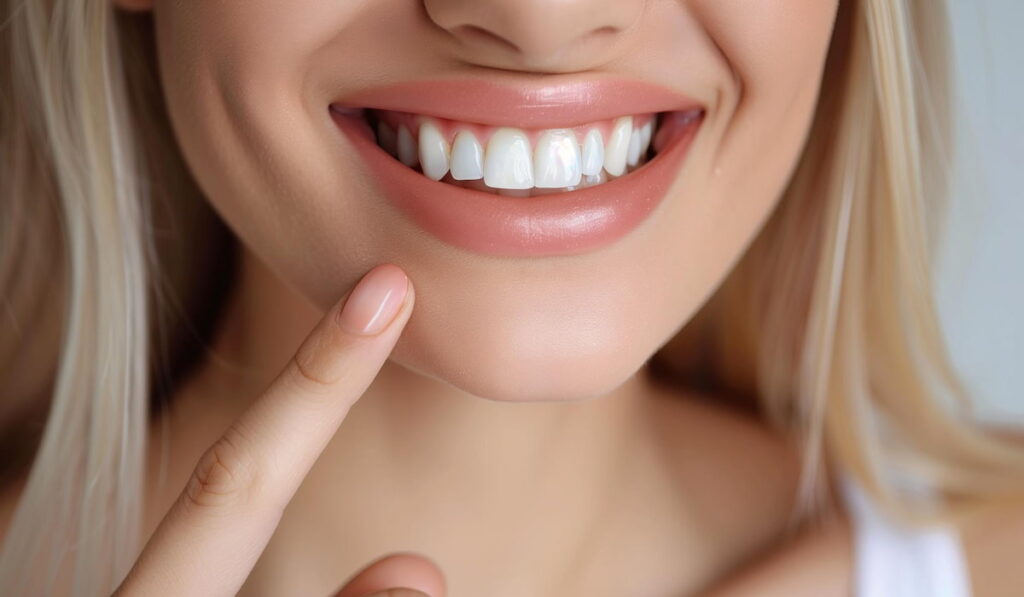
Thinking about getting dental veneers? You’re not alone. More and more people are choosing veneers to fix chipped, stained, or uneven teeth and to feel more confident about their smile. But while dental veneers can make a big difference in how your teeth look, it’s also a serious dental procedure. Before you commit, it’s important to understand what they are, how they work, what they cost, and whether they’re the right choice for your smile goals.
In this guide, we’ll walk you through everything you need to know before getting veneers, so you can make a confident, informed decision.
What Are Dental Veneers?
Dental veneers are thin shells made of porcelain or composite resin that are custom-made to cover the front surface of your teeth. They’re designed to improve the appearance of teeth that are chipped, stained, uneven, or slightly crooked.
Think of them like a cosmetic upgrade for your smile, kind of like false nails, but for your teeth. Veneers are bonded permanently to your natural teeth and can last for many years with proper care.
What Are the Types of Veneers?
There are two main types of veneers:
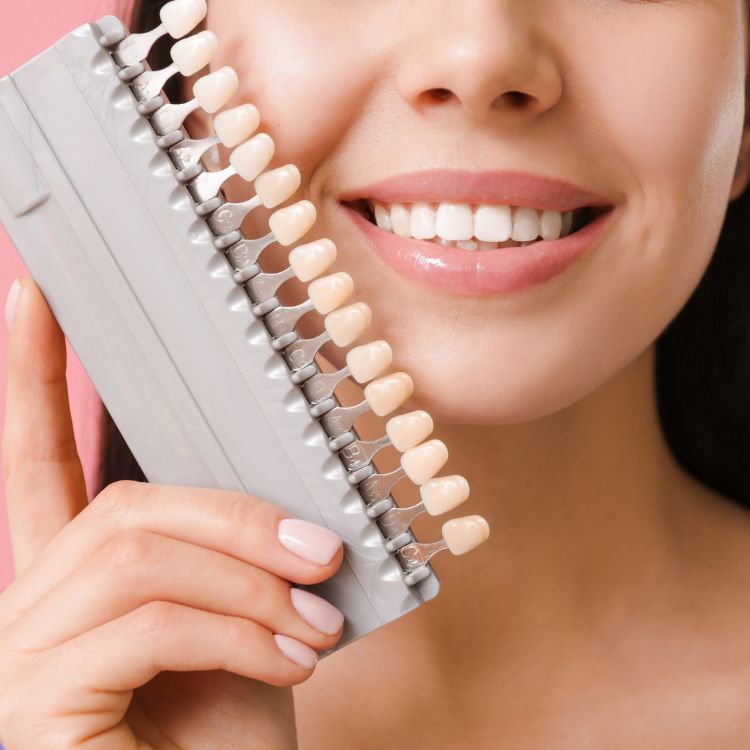
- Porcelain Veneers: These are the most durable and natural-looking option. They resist stains, are more expensive, and require a bit more tooth enamel to be removed before placement.
- Composite Veneers: These are made from a tooth-coloured resin and can be applied in one visit. They’re more affordable but may not last as long and are more prone to staining and chipping.
- Lumineers: Lumineers are a brand of ultra-thin porcelain veneers that require little to no enamel removal. They’re reversible in some cases and are ideal for people who want a less invasive option.
- Temporary or Trial Veneers: Sometimes called “snap-on” veneers, these are used for short-term purposes, either to test out the look of veneers or while waiting for your permanent ones. They’re not meant for long-term wear, but can be helpful during the decision-making process.
 Read More: “
Why Choose Dental Veneers?
If you’re looking for a fast and effective way to transform your smile, dental veneers are one of the most popular cosmetic options available. Here’s why many people choose them over other treatments.
| Benefits | Details |
| Instant Smile Makeover | Veneers can correct multiple issues at once, discoloration, gaps, chips, and uneven teeth, all in just a few visits. |
| Natural and Long-Lasting Results | Porcelain veneers mimic the natural look and shine of real teeth. With proper care, they can last over a decade, making them a solid long-term investment in your appearance. |
| Stain Resistance | Unlike natural teeth, porcelain veneers resist common stains from coffee, tea, and wine, helping your smile stay whiter, longer. |
| Minimally Invasive Option | Compared to crowns or orthodontic treatment, veneers involve less work on the tooth structure and deliver immediate aesthetic improvements. |
| Confidence Boost | Having a smile you’re proud of can improve not just your appearance, but your self-esteem and how you carry yourself every day. |
How Long Do Veneers Last?
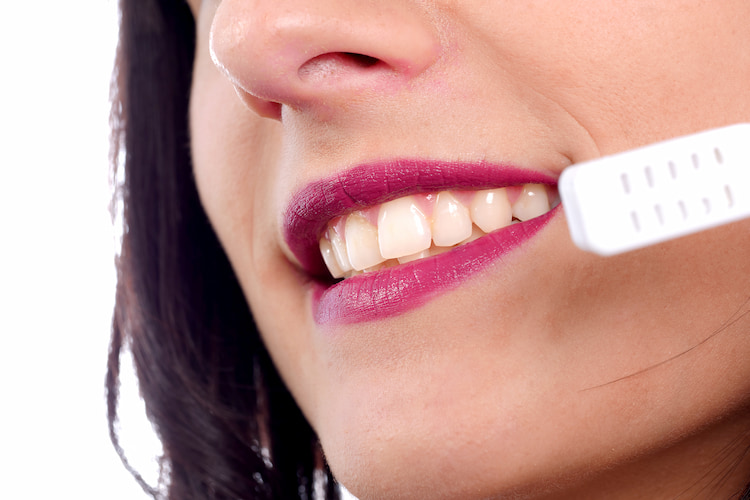
Types of veneers have different lifespans. For example, porcelain veneers are known for their durability and long-lasting results. On average, they can last 10 to 15 years, and sometimes even longer with proper care. Their high-quality material resists stains better than natural teeth, which helps maintain their bright, natural look over time. On the other hand, composite resins have a shorter lifespan (5 to 7 years).
Veneers’ lifespans depend on how well you take care of them. Daily brushing and flossing, regular dental checkups, and avoiding habits like biting on hard objects (ice, pens, etc.) or grinding your teeth can help your veneers last as long as possible. Additionally, if a veneer ever chips or becomes loose, your dentist can usually repair or replace it without much hassle.
What to Expect During the Veneer Procedure
First, you’ll have a consultation where your dentist checks your teeth, takes X-rays if needed, and discusses your smile goals, like the type, shade, and number of veneers you want. Next, a small amount of enamel is gently removed from the front of your teeth to help the veneers fit well and look natural. Then, your dentist takes impressions (or molds) of your teeth, which are sent to a lab to create your custom veneers. This part usually takes 1 to 2 weeks, and you may get temporary veneers in the meantime.
Once your final veneers are ready, the dentist checks their fit and color, then bonds them to your teeth using a special dental cement. In the end, they may make a few final adjustments, like polishing or trimming the veneers, and give you tips on how to care for your new smile.

Veneers vs. Other Dental Treatments
When it comes to improving the appearance of your smile, veneers aren’t your only option. It’s important to compare them with other treatments to find the best fit for your needs. Let’s take a look at how veneers stack up against other popular dental procedures.
| Comparison | Veneers | Alternative Treatment |
| Veneers vs. Teeth Whitening | Permanent solution that covers deep stains and doesn’t fade over time | Teeth whitening treats only surface stains and requires regular touch-ups |
| Veneers vs. Dental Crowns | Covers only the front of the tooth; less invasive and mainly cosmetic | Crowns cover the entire tooth and are ideal for damaged or decayed teeth |
| Veneers vs. Braces/Invisalign | Cosmetic fix for small gaps, chips, or slight misalignment with fast results | Braces/Invisalign gradually move teeth into alignment for long-term correction |
| Veneers vs. Bonding | More durable and long-lasting (especially porcelain); covers multiple issues | Bonding is quicker and more affordable but less durable and can stain over time |
Which One Should You Choose?
- Choose whitening for quick brightening of surface stains.
- Choose crowns when the tooth structure is compromised.
- Choose braces or Invisalign for correcting moderate to severe misalignment.
- Choose bonding for small repairs on a tighter budget.
- Choose veneers if you’re looking for long-lasting and low-maintenance results, quick aesthetic improvements, and a permanent, polished look covering several flaws.
Contact Us to Get Affordable, High-Quality Dental Veneers!
At Leslie North Dental, we offer top-notch dental cosmetic services, including dental veneers. We also offer various financial options to make this service accessible to everyone! Please contact us and let us know how we can help!
How Much Do Dental Veneers Cost?
Different factors can affect the cost of dental veneers, including the type of material (porcelain or composite), the dentist’s experience, and where you’re located. Below, you can check the cost range of the most common veneer types:
- Ceramic Veneer: $800 – $1200
- Composite Veneer: $300 – $600
Many dental clinics offer payment plans or financing options to make veneers more affordable. If you’re considering veneers, you can talk to your dentist about the best choice for your budget and smile goals.
What Are the Potential Downsides of Veneers?
Like any dental procedure, veneers have their own pros and cons. So far, we have discussed the outstanding benefits of this treatment. Therefore, it pays off to consider their possible drawbacks, which will help you weigh your options.
- The procedure is irreversible, as your dentist has to remove a thin layer of enamel to fit the veneers, which means you can’t go back.
- Veneers are an investment. They can be pricey, especially if you’re getting more than one.
- If a veneer cracks or chips, it usually needs to be replaced entirely.
- Some people experience temporary sensitivity to hot or cold after the procedure.
- The treatment is not for everyone. So if you grind your teeth, have gum disease, or very weak enamel, veneers might not be the best choice.
Who Is a Good Candidate for Veneers?
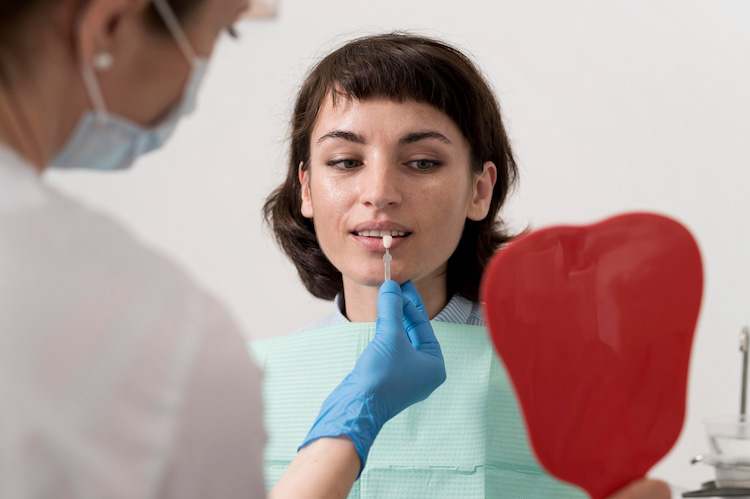
Veneers can be a great option for many people, but they’re not the right fit for everyone. Before moving forward, your dentist will assess your oral health and make sure veneers are a safe and effective choice for your situation. You’re likely a good candidate if you:
- Have healthy teeth and gums
- Want to fix minor cosmetic issues like chips, stains, or gaps
- Have enough enamel for the veneer to bond to
- Don’t grind or clench your teeth (or are willing to wear a night guard)
- Practice good oral hygiene and get regular checkups
However, if you have gum disease or cavities, suffer from severe misalignment or bite issues (braces or Invisalign may be better first), have very thin or weakened enamel, grind your teeth heavily, or want a reversible treatment (veneers are permanent), you may NOT be a good candidate for veneers.
What Can’t Veneers Fix?
While veneers are great for improving the look of your smile, they do have limitations. They’re a cosmetic solution, not a fix for every dental problem. Here’s what they can’t do:
1. Major Tooth Alignment Issues
Veneers are excellent for fixing small gaps or slightly crooked teeth, but they can’t correct major alignment problems, such as a bad bite (malocclusion), significant crowding, or teeth that overlap. If your teeth are severely misaligned, your dentist will likely recommend orthodontic treatment like braces or Invisalign first. Once your teeth are properly aligned, veneers can be used for finishing touches to perfect your smile.
Tip: If you have a minor gap between your front teeth, veneers might fix it instantly, but for larger gaps or bite issues, orthodontics is the healthier long-term solution.
2. Weak or Severely Damaged Teeth
Veneers require a strong, healthy tooth underneath to hold the thin porcelain shell securely. If you have a tooth with a large filling, deep decay, or one that’s already broken or cracked, a dental crown may be a better option. Crowns cover the entire tooth and provide more protection and strength. For example, if you’ve had a root canal and the tooth is fragile, a crown will likely be more durable and protective than a veneer.
3. Gum Disease or Poor Oral Health
Healthy gums and teeth are essential before getting veneers. If you have gum disease, bleeding gums, or untreated cavities, those problems must be treated first. Placing veneers on unhealthy teeth can lead to poor results and even failure of the veneer over time.
4. Tooth Grinding (Bruxism)
If you grind or clench your teeth at night (a condition called bruxism), veneers can wear down, chip, or even pop off. While they are durable, they’re not designed to handle the constant pressure from grinding. If you have bruxism, your dentist may suggest wearing a custom night guard to protect your veneers and natural teeth.
5. Planning to Whiten Your Teeth
Veneers do not respond to whitening treatments like natural teeth do. Their color is chosen at the time they’re made and cannot be changed later. So if you’re thinking about whitening your teeth, it’s best to do it before getting veneers, so your natural teeth and veneers match in shade.
6 Common Myths About Veneers
There are several myths surrounding dental veneers that can create confusion. Let’s clear up some of the most common misunderstandings so you can make an informed decision.
Myth 1: Veneers Are Only for Celebrities
Fact: While veneers are popular among public figures, they’re not just for celebrities. Many people choose veneers to improve their smile, whether for cosmetic reasons or to fix minor dental issues. Veneers are accessible to anyone who has healthy teeth and gums and is looking to enhance their smile.
Myth 2: Veneers Are Too Expensive for Most People
Fact: While porcelain veneers can be pricey, they’re an investment in your smile that can last 10–15 years. Composite veneers are a more affordable alternative that can still deliver excellent results. Financing options and dental insurance may also help make veneers more affordable.
Myth 3: Veneers Look Fake or Unnatural
Fact: When done correctly, veneers are designed to look like your natural teeth. Modern porcelain veneers reflect light the same way real enamel does, making them nearly indistinguishable from natural teeth. Your dentist will work with you to choose the right shade and shape to match your smile.
Myth 4: Getting Veneers Is Painful
Fact: The process of getting veneers is minimally invasive, and most people experience little to no discomfort. Some mild sensitivity may occur after the procedure, but it usually goes away within a few days. Local anesthesia is typically used, making the procedure pain-free.
Myth 5: Veneers Are Only for Cosmetic Issues
Fact: While veneers are often used to address cosmetic concerns like chips, stains, and gaps, they can also provide functional benefits. For example, veneers can help protect damaged teeth from further wear and tear, and they can improve bite function in some cases.
Myth 6: Veneers Last Forever
Fact: While porcelain veneers are durable and can last up to 15 years or more with proper care, they’re not permanent. Over time, they can become worn, chipped, or stained, and eventually, they will need to be replaced.
Final Thoughts: Should You Get Veneers?
Veneers can be a great way to improve your smile and boost your confidence, but they’re not a one-size-fits-all solution. They’re a long-term investment in both time and money, so it’s important to be sure they’re right for you.
If your teeth are healthy and you’re looking for a cosmetic fix for issues like discoloration, small gaps, or chips, veneers could be the perfect option. On the other hand, if you have gum problems, grind your teeth, or want something reversible, your dentist may suggest other treatments.
The best way to know for sure? Talk to a trusted dental professional. They’ll examine your teeth, answer your questions, and help you explore the best solution for your smile goals.
FAQs:
Do veneers ruin your real teeth?
No. Veneers don’t ruin your natural teeth, but a small amount of enamel is removed to fit them properly. As long as they’re done by a qualified dentist, your teeth will stay healthy underneath.
Can veneers be replaced?
Yes. Veneers aren’t permanent forever; they’ll eventually need to be replaced due to wear or changes in your gums or natural teeth. The good news? The replacement process is very similar to the first placement and can be just as effective.
Are veneers permanent?
Yes. Once enamel is removed, the process can’t be reversed. If a veneer falls off or gets damaged, it will need to be replaced.
Are veneers painful to get?
The procedure is generally painless. Some people feel mild sensitivity for a few days after the enamel is trimmed or the veneers are placed, but it’s usually temporary.
Can I get veneers on just one or two teeth?
Absolutely. Some people get a single veneer to fix a chipped tooth, while others choose a full set for a complete smile makeover. Your dentist will help you decide what works best.
Can you whiten veneers?
No. Veneers don’t respond to whitening treatments. It’s best to whiten your natural teeth before getting veneers so the color match is right.
Are you thinking about getting dental veneers or have you already had the procedure done? Share your thoughts, questions, or personal experiences in the comments below! Whether you’re curious about the process or have tips to share with others, we’d love to start a conversation.